Private, free guide — not a government website. Apply only on the official portal.
Fruits, vegetables & flowers
Orchards, vegetables, flowers and spices.
Schemes
7353 running
Components for this
156each with its clause
Best share of cost
100%CDB R&R
Fruits, vegetables & flowers
Scheme runningNot for you — check conditions
MIDH
Mission for Integrated Development of Horticulture (MIDH)
75%of the cost, at most
75% of Rs 80 per cubic metre (Rs 100 in NE & Himalayan areas) for a lined community water tank owned by a farmer group, up to 30,000 cubic metres.
Read from MIDH Operational Guidelines 2025 · clause Annexure V, B.4 Creation of Water resources, a) Water Harvesting Structures for Community · p. 53–54 · Our copy (PDF)
National Horticulture Board — commercial horticulture and cold storage subsidy
35%of the cost, at most
(45% in North-Eastern & Himalayan states (HMNEH list), Jammu & Kashmir, Ladakh, Andaman & Nicobar and Lakshadweep)
35% of the eligible cost of a commercial open-field horticulture project (45% in NE & Himalayan areas), on a cost of up to Rs 100 lakh.
Read from NHB Public Circular, 21 August 2026 (rates cut) · clause 3. Revision in Rate of Financial Assistance (table and footnote *) · p. 2 · Our copy (PDF)
Coconut Development Board — Expansion of Area under Coconut
35%of the cost, at most
₹56,000 per hectare (35% of ₹1.60 lakh) for a new coconut garden, for up to 2 hectares, in two yearly halves.
Read from Coconut Development Board — Operational Guidelines (2026) · clause A.2 Expansion of Area under Coconut — Cost norms and pattern of assistance (table) · p. 24 · Our copy (PDF)
Coconut Development Board — Replanting and Rejuvenation of Coconut Gardens
₹1,000per palm, at most
₹1,000 for each old or diseased palm you cut and remove, up to 32 palms (₹32,000) per hectare, on 1 hectare.
Read from Coconut Development Board — Operational Guidelines (2026) · clause C. Replanting and Rejuvenation — Components and rate of assistance (i) · p. 121–122 · Our copy (PDF)
We could not confirm it is still openNot for you — check conditions
SPICED cardamom
Spices Board (SPICED) — Replanting / new planting of small and large cardamom
75%of the cost, at most
SC/ST growers get 75% of the replanting cost, at most ₹2,10,000 a hectare in Tamil Nadu & Kerala, ₹1,68,000 elsewhere, or ₹75,000 for large cardamom.
Read from Spices Board SPICED scheme guidelines (2023-24 to 2025-26) · clause Component I, Sl. 1.1.1, 1.1.2 and 2.1 — Assistance and Eligibility (SC/ST) · p. PDF p.8–10, 14 · Our copy (PDF)
Coffee Board — Integrated Coffee Development Project (replanting and water augmentation)
75%of the cost, at most
40% of ₹3,25,000 per hectare (₹1,30,000) to replant old Arabica coffee, on up to 25 hectares a year.
Read from Coffee Board ICDP modalities 2024-25 to 2025-26 · clause Sub Component 1.1, 1.1.1 Replantation — 1.1.1.2 Unit Cost; 1.1.1.3 Scale of Subsidy; 1.1.1.4 Release of Subsidy · p. 7–8 · Our copy (PDF)
We could not confirm it is still openNot for you — check conditions
Operation Greens
Operation Greens — Short-Term Interventions (transport and storage subsidy)
50%of the cost, at most
50% of the cost of transporting a listed crop out of its production cluster, or of hiring storage for up to 3 months, when its price falls below the trigger price.
40% of the cost of an export pack-house, reefer transport, banana cable system or processing line (75% for the North-East, Himalayan states, island UTs, SC/ST and women), up to ₹2 crore.
Read from APEDA Financial Assistance Scheme Guidelines 2021-26 · clause 1(a)–(e) and Note; General Conditions 3, 4, 5, 8, 14, 28 · p. 6, 7, 20, 21, 22 · Our copy (PDF)
Planting material for your whole oil palm area: up to ₹20,000 a hectare for domestic seedlings or ₹29,000 a hectare for imported seedlings (150 plants a hectare).
Per Drop More Crop micro-irrigation with UP state top-up (drip & sprinkler)
90%of the cost, at most
90% of the unit cost of drip, mini or micro sprinkler for small and marginal farmers; 80% for other farmers.
Read from UP Horticulture Dept subsidy pattern (20 May 2025) · clause पर ड्राप मोर क्राप (माइक्रोइरीगेशन) ड्रिप एवं स्प्रिंकलर सिंचाई · p. 2 · Our copy (PDF)
Scheme to promote quality paan (betel leaf) production — State Sector (Uttar Pradesh)
50%of the cost, at most
50% of the ₹1,51,360 cost of one 1,500 sq m paan bareja — ₹75,680 — given as various inputs.
Read from UP Horticulture Dept subsidy pattern (20 May 2025) · clause अ-गुणवत्तायुक्त पान उत्पादन की प्रोत्साहन योजना (राज्य सेक्टर) · p. 3 · Our copy (PDF)
Horticulture development in the Ganga riverside areas (Namami Gange), Uttar Pradesh
₹1,08,000per hectare, at most
₹3,000 a month per hectare of new orchard for up to 36 months — at most ₹1,08,000 per hectare — paid only while the plants survive.
Read from UP Horticulture Dept subsidy pattern (20 May 2025) · clause गंगा के तटवर्ती क्षेत्रों में औद्यानिक विकास की योजना (नमामि गंगे) — (i) · p. 2 · Our copy (PDF)
Up to ₹15 a nutdifference paid on coconuts sold, up to 50,000 nuts
The state pays the gap between ₹15 and the price you got per coconut (at most ₹9 a nut), on up to 50,000 nuts — never more than ₹3.5 lakh a farmer.
Read from Goa notification of 30.06.2023 — assured price for coconut, cashew and paddy · clause 4 (ii) Pattern for Assistance for Coconut (a)–(e) · p. 1530 · Our copy (PDF)
We could not confirm it is still openNot for you — check conditions
HP Anti-hail Net
Assistance for installation of anti-hail nets
80%of the cost, at most
80% (small and marginal farmers) or 50% (others) of the cost of anti-hail net, on up to 5,000 square metres.
Read from HP Horticulture — anti-hail net guidelines and 2023-24 empanelment terms · clause Empanelment terms & conditions (2023-24), item 2; guidelines para 3 (5000 sq m per family) · p. 5; 1 · Our copy (PDF)
Mission Apple Yojana (high-density apple orchards)
80%of the cost, at most
80% of ₹12,00,000 an acre for a high-density apple orchard — ₹9,60,000 for one acre.
Read from Uttarakhand Horticulture — assistance under department schemes · clause राज्य सैक्टर की योजनायें, क्र0 20 मिशन एप्पल योजना · p. 4 · Our copy (PDF)
We could not confirm it is still openNot for you — check conditions
Uttarakhand Orchard Fencing
Orchard fencing scheme (Udyanon ki Gherbaad ki Yojana)
50%of the cost, at most
50% of the cost of fencing your orchard, up to ₹1,00,000 a hectare.
Read from Uttarakhand Horticulture — assistance under department schemes · clause राज्य सैक्टर की योजनायें, क्र0 2 उद्यानों की घेरबाड़ की योजना · p. 2 · Our copy (PDF)
We could not confirm it is still openNot for you — check conditions
Daman & Diu farm input subsidy
Integrated Agriculture Development Scheme (Daman & Diu)
100%of the cost, at most
Bio-fertilisers, pesticides, cultures, hormones and micronutrients free, up to ₹5,000.
Read from Daman & Diu notification of 17.10.2017 — Integrated Agriculture Development Scheme rates · clause Implemented by District Panchayat, Sr. 4 · p. 1 · Our copy (PDF)
100% of the cost of pits, grafts, planting, plant protection, gap filling and drip for a new orchard, within the crop-wise cost norms, paid over three years.
Read from Maharashtra GR of 06.07.2018 — Bhausaheb Fundkar orchard planting scheme · clause 9.1 (table, part ब); 9.2; 10.3; 11.1 · p. 4–5 · Our copy (PDF)
Promotion of Tamarind Cultivation in Rainfed Areas (Tamil Nadu)
₹20,000per hectare, at most
₹20,000 per hectare of grafted tamarind planted.
Read from Tamil Nadu Agriculture Budget speech 2026-27 (English, August 2026) · clause 33. Promotion of Tamarind Cultivation in Rainfed Areas · p. 46 · Our copy (PDF)
Special Scheme for Coconut — bio-control inputs at 75% subsidy (Tamil Nadu)
75%of the cost, at most
75% of the cost of Apertochrysa predators and Cococon microbial mixture for your coconut garden.
Read from Tamil Nadu Agriculture Budget speech 2026-27 (English, August 2026) · clause 31. Special Scheme for Coconut, item ii · p. 42–43 · Our copy (PDF)
Package of Assistance for Silkworm Rearing, mulberry nursery and chawkie centres — Tamil Nadu (Silk Samagra-2)
₹45,000per acre, at most
₹45,000 per acre of new mulberry garden, up to 2 acres (₹90,000).
Read from Tamil Nadu Department of Sericulture Policy Note 2026-27 · clause 8.1.2. Package of Assistance for Silkworm Rearing (table: Scheme Component — Government Subsidy (Rs.)) · p. PDF p.23 (printed 16) · Our copy (PDF)
We could not confirm it is still openNot for you — check conditions
AP sericulture State Development Schemes
Sericulture State Development Schemes (SDS) — Andhra Pradesh
₹50per kg of bivoltine cocoons, at most
₹50 per kg of bivoltine reeling cocoons you produce.
Read from AP Department of Sericulture — SDS sub-scheme page (id 10) · clause Sub Schemes — Production Incentive to Reeling Cocoons of the Farmers, Introduction · Our copy (PDF)
State top-up subsidy on polyhouses and shade-net houses (20% extra), Rajasthan
20%of the cost, at most
State top-up: 20% of the unit cost (₹1,200, ₹1,050 or ₹1,000 per m² for a naturally ventilated tubular polyhouse by size; ₹710 per m² for a shade-net house), or of the firm’s rate if lower, up to 2,000 m².
Read from Rajasthan NHM (MIDH) guidelines 2026-27 · clause 11 संरक्षित कृषि (क) पॉली हाउस एवं शेडनेट हाउस स्थापना, unit-cost table · p. 20 · Our copy (PDF)
Programme to expand fruit-crop area by the multi-layer method (HRT-2, 3 and 4), Gujarat
100%of the cost, at most
A fixed sum per graft or plant for each fruit crop (e.g. mango ₹100, guava ₹80, pomegranate ₹30, date palm ₹1,750), or the actual cost if lower, on 500 to 2,600 plants.
Read from Gujarat GR: multi-layer fruit plantation programme (HRT-2, 3, 4), 2026-27 · clause Annexure-2 (પરિશિષ્ટ-૨, સહાયના ધોરણો), row 1; Annexure-1, conditions 13–14 · p. 7–9 · Our copy (PDF)
Programme to promote rhizome crops (ginger, turmeric) under HRT-2, 3 and 4, Gujarat
75%of the cost, at most
Per hectare of ginger or turmeric (unit cost ₹1,00,000): 50% for large general farmers, 65% for small/marginal general farmers, 75% for ST and SC farmers, up to 2 hectares.
Programme for quality production through field cover in fruit crops (HRT-2), Gujarat
40%of the cost, at most
40% of the field-cover structure cost, counted at up to ₹5,00,000 a hectare (at most ₹2,00,000 a hectare), pro rata from 0.20 to 1 hectare.
Read from Gujarat GR: field cover for quality fruit production (HRT-2), 2026-27 · clause Annexure-2 (પરિશિષ્ટ-૨, સહાયના ધોરણો), row 1; Annexure-1, condition 14 · p. 6–7 · Our copy (PDF)
HRT-2 post-harvest management, packing, value addition and cold-storage power help, Gujarat
75%of the cost, at most
New distillation or processing unit for horticulture produce (boiler, cutter, dryer, mixer, pulper, packing machine…): 50% of the cost up to ₹2.50 lakh; FPOs, farmer groups, SHGs and co-operatives 75% up to ₹3.75 lakh; once.
Read from Gujarat GR: HRT-2 integrated horticulture development scheme (General), 2026-27 · clause Annexure-2(અ) (પરિશિષ્ટ-૨(અ), સહાયના ધોરણો), component 2 (ડીસ્ટીલેશન/પ્રોસેસીંગના નવા યુનિટ) · p. 13 · Our copy (PDF)
HRT-2 help on sea and air freight and irradiation for horticulture exports, Gujarat
25%of the cost, at most
Sea freight for exporting fruit, vegetables, flowers and plants: 25% of the freight bill, at most ₹50,000 a bill and ₹2.50 lakh a year, for up to five years.
Read from Gujarat GR: HRT-2 integrated horticulture development scheme (General), 2026-27 · clause Annexure-2(અ) (પરિશિષ્ટ-૨(અ), સહાયના ધોરણો), component 3 (દરીયાઇ માર્ગે નિકાસ માટે વાહતુક ખર્ચ) · p. 13–14 · Our copy (PDF)
HRT-2 plug nursery and self-employment horticulture nursery development, Gujarat
65%of the cost, at most
Self-employment horticulture nursery (structure for 500 m² ₹3 lakh + starter kit ₹50,000): 65% of the cost, at most ₹2,27,500, for 200 to 500 m², once in a lifetime.
Read from Gujarat GR: HRT-2 integrated horticulture development scheme (General), 2026-27 · clause Annexure-2(અ) (પરિશિષ્ટ-૨(અ), સહાયના ધોરણો), component 29 (સ્વરોજગારલક્ષી બાગાયતી નર્સરી વિકાસ કાર્યક્રમ) · p. 25 · Our copy (PDF)
HRT-2 comprehensive horticulture development programme (project-based orchards with infrastructure), Gujarat
75%of the cost, at most
Perennial orchard in the project: 50% of the cost for individual farmers and trusts (up to 4 ha), 75% for FPO/co-operative members farming together (up to 50 ha), at MIDH-NHM per-crop unit costs.
HRT-2 state supplementary help (15%) on MIDH-NHM horticulture components, Gujarat
15%of the cost, at most
Hi-tech nursery: a further 15% of the cost, counted up to ₹30 lakh a hectare for a big nursery (1–2 ha) or ₹20 lakh a hectare for a small one (0.4–1 ha).
Read from Gujarat GR: HRT-2 integrated horticulture development scheme (General), 2026-27 · clause Annexure-2(બ) (MIDH-NHM components: gap funding and state supplementary help), item B.1.1–B.1.2 (મોટી/નાની નર્સરી) · p. 32–33 · Our copy (PDF)
Farmers with 0.10–5 ha in project villages: the full Annexure-A per-hectare amount for pits, planting, plant protection, gap filling and fertiliser (never more than the actual cost), over 3 years.
Read from PoCRA phase 2 guidelines: fruit orchard planting · clause cl. 3.3 (ब) and 3.4 (100% project funding of items 1–5), 3.5 (actual cost if lower), 2.4 (0.10–5 ha); परिशिष्ट-अ गोषवारा · p. 3–4, 12–13 · Our copy (PDF)
Nanaji Deshmukh Krishi Sanjivani (PoCRA) phase 2 — sericulture: mulberry, rearing house and equipment
90%of the cost, at most
Mulberry planting: 75% (SC/ST 90%) of ₹60,000 an acre — ₹45,000 or ₹54,000 an acre.
Read from PoCRA phase 2 guidelines: sericulture (silk) unit · clause रेशीम उदयोग या घटका अंतर्गत समाविष्ट घटक व अर्थसहाय्य, table row १ (तुती लागवड) · p. 3 · Our copy (PDF)
40–50% of the unit cost, at most ₹30,000–₹50,000 a hectare without drip or ₹40,000–₹80,000 with drip (normal, high or ultra-high density), for ¼ to 4 hectares.
Read from MP Horticulture — Fruit plantation scheme sheet · clause item 6 (अनुदान की पात्रता) and table; item 4 (स्वरूप) · p. 1 · Our copy (PDF)
Spice Area Expansion Scheme (Masala Kshetra Vistar Yojana)
50%of the cost, at most
50% of the unit cost, at most ₹10,000 a hectare for seed spices or ₹50,000 a hectare for root and rhizome spices (turmeric, ginger, garlic), for 0.25 to 2 hectares.
Read from MP Horticulture — State-funded schemes booklet · clause 3. मसाला क्षेत्र विस्तार योजना · p. 3 · Our copy (PDF)
Coconut seedling distribution scheme (state scheme), Bihar
75%of the cost, at most
Coconut seedling: 75% of ₹85 (₹63.75 a plant), 5 to 712 plants per beneficiary.
Read from Bihar coconut seedling distribution scheme — sanction for 2026-27 (01.06.2026) · clause para 5 (unit cost and 75% subsidy) and para 6 (5–712 plants) · p. 2 · Our copy (PDF)
Guava, lemon, apple ber, bael, jackfruit, papaya, aonla, pomegranate or aromatic plants: grant of ₹1,00,000 an acre, up to 10 acres.
Read from Bihar “Cluster mein Bagwani” scheme sanction, 2025-26 to 2027-28 (18.02.2026) · clause para 5 (grant per acre), para 8 (0.25–10 acres) · p. 2 · Our copy (PDF)
We could not confirm it is still openNot for you — check conditions
WB 35% storage subsidy
35% State subsidy for multi-purpose storage up to 100 MT, cold storages and packing centres (West Bengal)
35%of the cost, at most
35% of the cost of a multi-purpose store up to 100 MT, a cold storage or a packing centre.
Read from West Bengal Budget Speech 2026-27 (22 June 2026) · clause Horticulture post-harvest, para on storage beyond MIDH · p. 43 (PDF p.44) · Our copy (PDF)
We could not confirm it is still openNot for you — check conditions
Meghalaya Vegetable Development Scheme
Vegetable Development Scheme (State Plan), Meghalaya
75%of the cost, at most
Hybrid, high-yielding and open-pollinated vegetable seed sold to you at 75% off.
Read from Meghalaya Directorate of Agriculture — FAQ on agriculture and horticulture schemes (2025) · clause FAQs ON HORTICULTURE SCHEMES — Vegetable Development Scheme, Q.3 (i) · p. 18 · Our copy (PDF)
We could not confirm it is still openNot for you — check conditions
Meghalaya Floriculture Development Scheme
Floriculture Development Scheme (State Plan), Meghalaya
Free polyhouseat least 100 sq m
A low-cost polyhouse of at least 100 sq m for flowers, free of cost.
Read from Meghalaya Directorate of Agriculture — FAQ on agriculture and horticulture schemes (2025) · clause FAQs ON HORTICULTURE SCHEMES — Floriculture Development Scheme, Q.3 (ii) · p. 22 · Our copy (PDF)
We could not confirm it is still openNot for you — check conditions
Meghalaya Fruit Development Scheme
Fruit Development Scheme (State Plan) — fruit planting material and citrus rejuvenation, Meghalaya
50%of the cost, at most
Fruit planting material at half price; inputs for rejuvenating old citrus orchards.
Read from Meghalaya Directorate of Agriculture — FAQ on agriculture and horticulture schemes (2025) · clause FAQs ON HORTICULTURE SCHEMES — Fruit Development Scheme, Q.3 (i)–(ii) · p. 19 · Our copy (PDF)
We could not confirm it is still openNot for you — check conditions
Meghalaya Tea Development Scheme
Tea Development Scheme (State Plan), Meghalaya
₹10,000per hectare, at most
₹10,000 per hectare of tea, paid once, for growers with up to 2 hectares.
Read from Meghalaya Directorate of Agriculture — FAQ on agriculture and horticulture schemes (2025) · clause FAQs ON HORTICULTURE SCHEMES — Tea Development Scheme, Q.2 and Q.3 (ii) · p. 20 · Our copy (PDF)
Ex-gratia for livestock killed and crops damaged by wild animals, Sikkim
₹12,000–₹30,000per animal killed
(calf ₹10,000; chicken ₹350/kg)
A fixed sum for each animal a wild animal kills: cow or bull ₹24,000, buffalo ₹25,000, calf ₹10,000, goat ₹12,000, sheep ₹20,000, pig ₹12,000, pony ₹15,000, yak or dzo ₹30,000, chicken ₹350 a kg.
Read from Sikkim Gazette No. 185 (2023) — compensation rates for livestock killed and crops damaged by wild animals · clause Notification No. 132/GOS/F&ED/SECY, cl. I (i)–(x) · p. 1 · Our copy (PDF)
Development of Spices — area expansion of pepper, nutmeg, clove, ginger and turmeric (Kerala, 2026-27)
₹17,000per hectare, at most
₹17,000 per hectare to establish a new black pepper garden (planting material, inputs and plant protection).
Read from Kerala “Development of Spices” 2026-27 working instructions (circular ADFW/4258/2026-TS(2), 02.09.2026) · clause 1.1 Area Expansion of Black Pepper, (b) and (d) · p. p.1–2 · Our copy (PDF)
Coconut Development 2026-27 — Keragramam cluster aid and Kera Raksha Vaaram (Kerala)
₹1,000per palm, at most
₹1,000 for each diseased, old or senile coconut palm cut and removed in a Keragramam.
Read from Kerala Coconut Development 2026-27 working instructions (circular ADFW/4401/2026-TB1, 14.08.2026) · clause Cafeteria of activities and its rates for Keragramam Ist year, item A.1(f) · p. p.7–8 · Our copy (PDF)
State Top-Up Subsidy for Micro-Irrigation/Fertigation in Coconut Gardens under Per Drop More Crop (Kerala, 2026-27)
30%of the cost, at most
Up to 30% of the eligible cost of drip or sprinkler in a coconut garden, on top of the central Per Drop More Crop subsidy; together they may not exceed 85% (small and marginal) or 75% (others).
Read from Kerala state top-up for micro-irrigation in coconut gardens 2026-27 (circular ADFW/8919/2026-TG3, 17.08.2026) · clause 3. Extent and Determination of Top-Up Subsidy · p. p.2–3 · Our copy (PDF)
We could not confirm it is still openNot for you — check conditions
UK Off-season vegetables
Off-season vegetable production in Uttarakhand (state sector)
75%of the cost, at most
Off-season vegetables in the hills: 75% of ₹50,000 per hectare, up to 1 hectare — at most ₹37,500.
Read from Uttarakhand Horticulture — assistance under department schemes · clause राज्य सैक्टर की योजनायें, क्र0 12 उत्तराखण्ड में बेमौसमी सब्जी उत्पादन · p. 4 · Our copy (PDF)
We could not confirm it is still openNot for you — check conditions
UK Red chilli incentive
Scheme to promote spice chilli (red chilli), Uttarakhand
₹700per quintal, at most
₹700 for every quintal of good-quality red chilli.
Read from Uttarakhand Horticulture — assistance under department schemes · clause राज्य सैक्टर की योजनायें, क्र0 18 मसाला मिर्च को प्रोत्साहन देने हेतु योजना · p. 4 · Our copy (PDF)
Greenhouse, shade-net house or tunnel for flowers: 85% of the cost at MIDH norms, up to 4,000 m².
Read from HP Himachal Pushp Kranti Yojna guidelines 2018-19 · clause para 10(a) Protected cultivation table — green house, shade net house, plastic and walk-in tunnels · p. 6–7 · Our copy (PDF)
80% of ₹7,000 a square metre (or of the actual cost, if lower) for protected cultivation by a selected entrepreneur — up to ₹5,600 a square metre.
Read from J&K HADP — implementation guidelines of the 29 projects · clause Project 21 “Production of Designer Plants for promotion of HD plants and rejuvenation of orchards”, III. Criteria for Protected Cultivation — Mode of Assistance · p. printed 45 (PDF 46) · Our copy (PDF)
Highest share of cost any running scheme pays for this kind of work, by who applies. The amount is still capped by each scheme’s cost norm.
Every component for this, from the documents (156)
MIDH Mission for Integrated Development of Horticulture (MIDH)
01
40%of the cost, at most (50% in North-Eastern & Himalayan states (those covered under HMNEH), Andaman & Nicobar and Lakshadweep)
40% of Rs 1.25 lakh per hectare for a new mango, guava, citrus or similar orchard, up to 2 hectares.
Read from MIDH Operational Guidelines 2025 · clause Annexure V, B.2 Establishment of New Gardens, I. Fruits, C) New orchards, a)(i) Regular spacing · p. 48 · Our copy (PDF)
What the document says, word for word
Rs 1.25 lakh/ha is the upper limit of cost for working out the subsidy (Annexure V, "* Cost norms means upper limit of cost"); if you spend less, the subsidy is on what you spend. High-density and apple orchards have higher norms not shown here. Drip is funded separately under PDMC norms. Scheduled areas and vibrant villages also get the higher rate, but they are notified areas inside a state, so we cannot apply them from your state alone — ask your district horticulture office. Ladakh is not given the higher rate here: the HMNEH coverage list predates Ladakh becoming a separate UT in 2019, so we take the lower reading.
“C) New orchards of Apple, Mango, Guava, Litchi, Pomegranate, Citrus etc. a) Without drip irrigation (drip will be in convergence with other schemes) (i). Regular spacing Rs. 1.25lakh/ha. Assistance @ 40% in general area for an area upto2 ha. on pro rata basis for meeting the expenditure on planting material and other input costin 2 instalments of 60:40 subject to survival rate of 80% in 2nd year.”
02
40%of the cost, at most
40% of up to Rs 30 lakh per hectare for a private large fruit-plant nursery of 1 to 2 hectares.
Read from MIDH Operational Guidelines 2025 · clause Annexure V, B.1 Production of Planting Material, i. Large Nursery (1 to 2 ha) · p. 42 · Our copy (PDF)
What the document says, word for word
Project based; the nursery must produce at least 1,00,000 certified plants per hectare a year and be accredited within 18 months of the last instalment. In NE & Himalayan states, scheduled areas, vibrant villages, Andaman & Nicobar and Lakshadweep the lower limit is 0.5 ha — we apply the 1 ha limit everywhere, so a smaller nursery there may still qualify.
“i. Large Nursery (1 to 2 ha) Upto Rs. 30 lakhs/ Ha. Cost of large nursery on pro rata basis: 1 ha. - 30.00 lakh 2 ha. - 30.00 lakh x 2 Assistance @ 100% to public sector and @ 40% to private sector for an area from 1 to 2 ha. as project based activity, on pro-rata basis.”
03
50%of the cost, at most
50% of up to Rs 20 lakh per hectare for a private small nursery of 0.4 to 1 hectare.
Read from MIDH Operational Guidelines 2025 · clause Annexure V, B.1 Production of Planting Material, ii. Small Nursery (0.4 to 1 ha) · p. 42–43 · Our copy (PDF)
What the document says, word for word
Project based; the nursery must produce at least 50,000 certified plants per hectare a year and be accredited within 18 months of the last instalment.
“ii. Small Nursery (0.4 to 1 ha) Rs. 20 lakhs/Ha. Assistance @ 100% to public sector and @ 50% to private sector for an area from 0.4 to 1 ha. as a project based activity, on pro rata basis.”
04
50%of the cost, at most
50% of up to Rs 4 lakh per hectare to upgrade a private nursery to accreditation standard, up to 2 hectares.
Read from MIDH Operational Guidelines 2025 · clause Annexure V, B.1 iii. Upgrading nursery infrastructure to meet accreditation norms · p. 43 · Our copy (PDF)
What the document says, word for word
Covers hot-bed sterilisation of media, working shed, virus indexing (citrus, apple), hardening chamber / net house, mist chamber, mother block and irrigation / fertigation. Accreditation is mandatory within 18 months of the last instalment.
“iii. Upgrading nursery infrastructureto meet accreditation norms (upto 2 ha) Need based upto a maximum of Rs. 4.00 lakh/ha Assistance @ 100% to public sector and @ 50% to private sector for a nursery of an area upto 2 ha on pro-rata basis.”
05
40%of the cost, at most
40% of the cost of a new private tissue-culture unit, on a cost of up to Rs 250 lakh, as a bank-loan-linked subsidy.
Read from MIDH Operational Guidelines 2025 · clause Annexure V, B.1 iv. Setting up new TC unit · p. 43 · Our copy (PDF)
What the document says, word for word
Rs 250 lakh is for a 25 lakh plants/year unit; a smaller unit (minimum 10 lakh plants) gets a pro-rata norm, which we do not apply — enter your project cost. Accreditation within 18 months of the last instalment.
“iv. Setting up new TC unit Project based upto Rs 250 lakh per project for a capacity of 25 lakh plants or on pro-rata basis for minimum 10 lakh plants. Assistance @ 100% to public sector and in case of private sector, credit linked back-ended assistance @ 40% as project based activity.”
06
35%of the cost, at most (50% in North-Eastern & Himalayan states (those covered under HMNEH), Andaman & Nicobar and Lakshadweep)
35% of Rs 50,000 (open-pollinated) or Rs 1.80 lakh (hybrid) per hectare for vegetable or spice seed production on 1 to 2 hectares (50% in NE & Himalayan areas).
Read from MIDH Operational Guidelines 2025 · clause Annexure V, B.1 vi. Seed Production for Vegetables and Spices, a) Open pollinated crops, b) Hybrid Seeds · p. 44 · Our copy (PDF)
What the document says, word for word
The state fixes a seed output target for each beneficiary before releasing funds. Vibrant villages may start from 0.5 ha. Scheduled areas and vibrant villages also get the higher rate, but they are notified areas inside a state, so we cannot apply them from your state alone — ask your district horticulture office. Ladakh is not given the higher rate here: the HMNEH coverage list predates Ladakh becoming a separate UT in 2019, so we take the lower reading.
“vi. Seed Production for Vegetables and Spices a) Open pollinated crops (1 to 2 ha) Rs 50,000 /ha. b) Hybrid Seeds (1 to 2 ha) Rs. 1.80 lakh/ha Assistance @ 100% to public sector and in case of private sector assistance @ 35% in general areas and 50% in NE & Himalayan States, Scheduled areas, Andaman & Nicobar and Lakshadweep Islands for an area from 1 to 2 ha. on pro rata basis.”
07
50%of the cost, at most
50% of the cost of importing planting material for a mother block, for FPOs, SHGs and cooperatives, on a cost of up to Rs 150 lakh a year.
Read from MIDH Operational Guidelines 2025 · clause Annexure V, B.1 vii. Import of planting material, mother block for mass multiplications · p. 44 · Our copy (PDF)
What the document says, word for word
Credit-linked and project based. The printed sentence names FPOs, FIGs, SHGs and Cooperatives but ends "to SHGs"; ask your State Horticulture Mission how it reads it before applying as an FPO or cooperative.
“vii. Import of planting material, mother block for mass multiplications. Project based for a project cost upto Rs. 150 lakh/year. Assistance @ 100% to State Govt. / Public Sector and in case of FPOs, FIGs, SHGs and Cooperatives credit linked subsidy @ 50% to SHGs as project-based activity.”
08
50%of the cost, at most
50% of the cost of a private project producing, processing and storing quality horticulture seed and planting material, on a cost of up to Rs 300 lakh a year.
Read from MIDH Operational Guidelines 2025 · clause Annexure V, B.1 viii. Production of quality Seed and Planting Material including handling, processing, packing & storage · p. 44 · Our copy (PDF)
What the document says, word for word
Credit-linked and project based.
“viii. Production of quality Seed and Planting Material including handling, processing, packing& storage for identified horticulture crops Project based for a project cost upto Rs. 300 lakh/year. Assistance @ 100% to State Govt. / Public Sector and in case of private sector, credit linked subsidy @ 50% including FPOs, FIGs, SHGs and Cooperatives as project based activity.”
09
40%of the cost, at most (50% in North-Eastern & Himalayan states (those covered under HMNEH), Andaman & Nicobar and Lakshadweep)
40% of the per-hectare norm for a new fruit garden (strawberry, dragon fruit, kiwi, grape, banana, high-density apple and others), up to 2 hectares (50% in NE & Himalayan areas).
Read from MIDH Operational Guidelines 2025 · clause Annexure V, B.2 Establishment of New Gardens, I. Fruits: A) i) I–IV; ii); iii); B) i), ii); C) a) (ii)–(v) · p. 44–48 · Our copy (PDF)
What the document says, word for word
Paid in two instalments of 60:40; the second only if 80% of plants survive in the second year. The norm is the upper limit of cost per hectare; the subsidy is pro rata on up to 2 ha per beneficiary, paid for planting material and inputs (Annexure V, B.2). Drip irrigation is extra, under PDMC norms. Scheduled areas and vibrant villages also get the higher rate, but they are notified areas inside a state, so we cannot apply them from your state alone — ask your district horticulture office. Ladakh is not given the higher rate here: the HMNEH coverage list predates Ladakh becoming a separate UT in 2019, so we take the lower reading.
“B. 2 Establishment of New Gardens (Area expansion- for a maximum area of 2 ha per beneficiary). I. Fruits … Assistance @ 40% in general areas for an area upto 2 ha. on pro rata basis … In the case of NE & Himalayan States, Scheduled areas, vibrant villages, Andaman & Nicobar and Lakshadweep Islands, assistance will be @ 50% for an area upto 2 ha. on pro rata basis”
10
40%of the cost, at most (50% in North-Eastern & Himalayan states (those covered under HMNEH), Andaman & Nicobar and Lakshadweep)
40% of Rs 60,000 per hectare for hybrid vegetables, or Rs 50,000 for open-pollinated onion and garlic, up to 2 hectares, in one instalment (50% in NE & Himalayan areas).
Read from MIDH Operational Guidelines 2025 · clause Annexure V, B.2 II. Vegetables (hybrid vegetables; i. Onion and Garlic in open pollinated) · p. 48–49 · Our copy (PDF)
What the document says, word for word
Vibrant villages get 80% of the maximum cost; they are notified border villages inside a state, so we cannot apply that from your state alone. The norm is the upper limit of cost per hectare; the subsidy is pro rata on up to 2 ha per beneficiary, paid for planting material and inputs (Annexure V, B.2). Drip irrigation is extra, under PDMC norms. Scheduled areas and vibrant villages also get the higher rate, but they are notified areas inside a state, so we cannot apply them from your state alone — ask your district horticulture office. Ladakh is not given the higher rate here: the HMNEH coverage list predates Ladakh becoming a separate UT in 2019, so we take the lower reading.
“II. Vegetables (For maximum area of 2 ha. per beneficiary) Hybrid vegetables Rs.60,000/-ha … i. Onion and Garlic in open pollinated Rs. 50,000/ ha. Assistance @ 40% in general areas for an area upto 2 ha. on pro-rata basis in single instalment. In the case of NE & Himalayan States, Scheduled areas, vibrant villages, Andaman & Nicobar and Lakshadweep Islands, assistance will be @ 50% for an area upto 2 ha. on pro rata basis. In case of vibrant villages assistance will be @ 80% of the maximum cost.”
11
40%of the cost, at most (50% in North-Eastern & Himalayan states (those covered under HMNEH), Andaman & Nicobar and Lakshadweep)
40% of the per-hectare norm for cut, bulbous or loose flowers, up to 2 hectares, in two instalments (50% in NE & Himalayan areas).
Read from MIDH Operational Guidelines 2025 · clause Annexure V, B.2 IV. Flowers, i)–iii) · p. 50 · Our copy (PDF)
What the document says, word for word
Paid in two instalments of 60:40. The norm is the upper limit of cost per hectare; the subsidy is pro rata on up to 2 ha per beneficiary, paid for planting material and inputs (Annexure V, B.2). Drip irrigation is extra, under PDMC norms. Scheduled areas and vibrant villages also get the higher rate, but they are notified areas inside a state, so we cannot apply them from your state alone — ask your district horticulture office. Ladakh is not given the higher rate here: the HMNEH coverage list predates Ladakh becoming a separate UT in 2019, so we take the lower reading.
“IV. Flowers (For a maximum area of 2 ha per beneficiary) i. Cut Flowers Rs. 1.25 lakh/ha ii) Bulbous and Rhizomatic Flowers Rs. 2.50 lakh/ha iii) Loose Flowers Rs. 50,000 /ha Assistance @ 40% in general areas for an area upto2 ha. on pro rata basis in 2 instalments of 60:40. In the case of NE & Himalayan States, Scheduled areas, vibrant villages, Andaman & Nicobar and Lakshadweep Islands, assistance will be @ 50%”
12
40%of the cost, at most (50% in North-Eastern & Himalayan states (those covered under HMNEH), Andaman & Nicobar and Lakshadweep)
40% of the per-hectare norm for seed, rhizome or perennial spices, up to 2 hectares, in two instalments (50% in NE & Himalayan areas).
Read from MIDH Operational Guidelines 2025 · clause Annexure V, B.2 V. Spices, i.–iii. · p. 50–51 · Our copy (PDF)
What the document says, word for word
Paid in two instalments of 60:40, for planting material and INM/IPM inputs. The norm is the upper limit of cost per hectare; the subsidy is pro rata on up to 2 ha per beneficiary, paid for planting material and inputs (Annexure V, B.2). Drip irrigation is extra, under PDMC norms. Scheduled areas and vibrant villages also get the higher rate, but they are notified areas inside a state, so we cannot apply them from your state alone — ask your district horticulture office. Ladakh is not given the higher rate here: the HMNEH coverage list predates Ladakh becoming a separate UT in 2019, so we take the lower reading.
“V. Spices (For a maximum area of 2 ha per beneficiary) i. Seed Spices Rs. 50,000/ha ii.Rhizomatic and bulbous Spices (Ginger, Turmeric, and Garlic) Rs. 1.00 Lakh/ ha. iii. Perennial Spices Rs. 1.00 lakh/ha Assistance @ 40% in general areas for an area upto2 ha. on pro rata basis for meeting the expenditure on planting material and cost of material for INM/IPM etc. in 2 instalments of 60:40.”
13
40%of the cost, at most (50% in North-Eastern & Himalayan states (those covered under HMNEH), Andaman & Nicobar and Lakshadweep)
40% of the per-hectare norm for aromatic or medicinal plants, up to 2 hectares, in two instalments (50% in NE & Himalayan areas).
Read from MIDH Operational Guidelines 2025 · clause Annexure V, B.2 VI. Aromatic and Medicinal Plants, (i)–(iii) · p. 51 · Our copy (PDF)
What the document says, word for word
Paid in two instalments of 60:40, for planting material and INM/IPM inputs. The norm is the upper limit of cost per hectare; the subsidy is pro rata on up to 2 ha per beneficiary, paid for planting material and inputs (Annexure V, B.2). Drip irrigation is extra, under PDMC norms. Scheduled areas and vibrant villages also get the higher rate, but they are notified areas inside a state, so we cannot apply them from your state alone — ask your district horticulture office. Ladakh is not given the higher rate here: the HMNEH coverage list predates Ladakh becoming a separate UT in 2019, so we take the lower reading.
“VI. Aromatic and Medicinal Plants (For a maximum area of 2 ha per beneficiary) (i) Cost intensive aromatic plants Rs1.25 lakh/ha (ii) Other aromatic plants Rs 50,000/ha (iii) Medicinal plants Rs. 1.5 lakh/ha Assistance @ 40% in general areas for an area upto2 ha. on pro rata basis for meeting the expenditure on planting material and cost of material for INM/IPM etc. in 2 instalments of 60:40”
14
40%of the cost, at most (50% in North-Eastern & Himalayan states (those covered under HMNEH), Andaman & Nicobar and Lakshadweep)
40% of the per-hectare norm for new cashew, cocoa, almond or walnut plantations, up to 2 hectares (50% in NE & Himalayan areas).
Read from MIDH Operational Guidelines 2025 · clause Annexure V, B.2 VII. Plantation crops, (A) Cashew and Cocoa; (B) New Orchards of Almond and Walnut · p. 52–53 · Our copy (PDF)
What the document says, word for word
Paid in two instalments of 60:40; the second only if 80% of plants survive in the second year. The norm is the upper limit of cost per hectare; the subsidy is pro rata on up to 2 ha per beneficiary, paid for planting material and inputs (Annexure V, B.2). Drip irrigation is extra, under PDMC norms. Scheduled areas and vibrant villages also get the higher rate, but they are notified areas inside a state, so we cannot apply them from your state alone — ask your district horticulture office. Ladakh is not given the higher rate here: the HMNEH coverage list predates Ladakh becoming a separate UT in 2019, so we take the lower reading.
“VII. Plantation crops (For a maximum area of 2 ha per beneficiary). (A) Cashew and Cocoa (a) Without drip Irrigation (i) Regular Spacing Rs 75,000 /ha. (b) With Intercropping Rs 50,000 /ha. (ii) High Density (Minimum 400 plants per hectare) (Cashew Only) Rs. 1.5 lakh/ha (B) New Orchards of Almond and Walnut Almond: Rs. 3.00 lakh/ha. Walnut: Rs. 4.00 lakh/ha. Assistance @40% in general areas for an area upto 2 ha. on pro-rata basis … in 2instalments of 60:40 subject to survival rate of 80% in 2nd year.”
15
40%of the cost, at most (50% in North-Eastern & Himalayan states (those covered under HMNEH), Andaman & Nicobar and Lakshadweep)
40% of Rs 10,000 to Rs 40,000 per hectare (by item) to rejuvenate an old, unproductive orchard, up to 2 hectares (50% in NE & Himalayan areas).
Read from MIDH Operational Guidelines 2025 · clause Annexure V, B.3 Rejuvenation/replacement of senile plantation, canopy management, (i)–(iii) · p. 53 · Our copy (PDF)
What the document says, word for word
Each item is a separate norm; if you take all three, add them up (Rs 60,000 per hectare in all). Only senile, unproductive orchards and plantations rejuvenated with proven technology qualify (cl. 7.20). Scheduled areas and vibrant villages also get the higher rate, but they are notified areas inside a state, so we cannot apply them from your state alone — ask your district horticulture office. Ladakh is not given the higher rate here: the HMNEH coverage list predates Ladakh becoming a separate UT in 2019, so we take the lower reading.
“B.3. Rejuvenation/ replacement of senile plantation, canopy management (i) Removal of dead/dying/old plants Rs. 10,000/ha (ii) Top-working and gap filling with new plant Rs. 10,000/ha (iii) Cost of input towards nutrient management, pest management and irrigation Rs. 40,000/ha Assistance @ 40% in general areas for an area upto 2 ha on pro-rata basis In the case of NE & Himalayan States, Scheduled areas, vibrant villages, Andaman & Nicobar and Lakshadweep Islands, assistance will be @ 50% for an area upto 2 ha. on pro-rata basis”
16
50%of the cost, at most
50% of Rs 20,000 per hectare to adopt and certify Good Agricultural Practices (Bharat GAP), up to 2 hectares.
Read from MIDH Operational Guidelines 2025 · clause Annexure V, B.9 Adoption and Certification for Good Agricultural Practices (GAP)/Bharat GAP · p. 60 · Our copy (PDF)
What the document says, word for word
“B.9 Adoption and Certification for Good Agricultural Practices (GAP) /Bharat GAP Rs. 20,000/ha. Assistance @ 50% subject to a maximum of 2 ha/ beneficiary or on pro-rata basis for smaller areas.”
NHB National Horticulture Board — commercial horticulture and cold storage subsidy
01
35%of the cost, at most (45% in North-Eastern & Himalayan states (HMNEH list), Jammu & Kashmir, Ladakh, Andaman & Nicobar and Lakshadweep)
35% of the eligible cost of a commercial open-field horticulture project (45% in NE & Himalayan areas), on a cost of up to Rs 100 lakh.
Read from NHB Public Circular, 21 August 2026 (rates cut) · clause 3. Revision in Rate of Financial Assistance (table and footnote *) · p. 2 · Our copy (PDF)
What the document says, word for word
The circular cut the rate from 40%/50% (Guidelines Scheme 1, item 1(i), p.6) to 35%/45%; the Rs 100 lakh per project norm and other conditions stay. Projects must cover more than 2 ha (more than 1 ha in the NE region). Since 21 Aug 2026 only one member of a family (spouse, parents, sons, daughters) can ever get NHB help, once, across all NHB schemes; groups of farmers and serving government employees cannot apply (circular cl. 1–2). Land cost is not counted (cl. 5). Scheduled areas also get the higher rate — ask NHB, as we cannot tell them from your state alone.
“Open Field Cultivation Projects — General Area 35% — NER/Himalayan States, Scheduled Areas and specified UTs* 45%”
02
35%of the cost, at most (45% in North-Eastern & Himalayan states (HMNEH list), Jammu & Kashmir, Ladakh, Andaman & Nicobar and Lakshadweep)
35% of the eligible cost of a large hi-tech orchard project of more than 20 hectares of apple, walnut, almond, cashew, kiwi or date palm (45% in NE & Himalayan areas), on a cost of up to Rs 200 lakh.
Read from NHB Public Circular, 21 August 2026 (rates cut) · clause 3. Revision in Rate of Financial Assistance (table and footnote *) · p. 2 · Our copy (PDF)
What the document says, word for word
This is Guidelines Scheme 1 item 1(ii), "Large scale Hi-Tech open field cultivation of identified high value horticulture crops in a project mode (Apple, Walnut, Almond, Cashew nut, kiwi and date palm)": Rs. 200.00 lakh per project for projects covering area over 20 ha (p.6). The circular cut its rate from 40% / 50% to 35% / 45%. Counted cost is the crop-wise per-hectare ceiling (pp.11–15) × your area, at most Rs 200 lakh. Since 21 Aug 2026 only one member of a family (spouse, parents, sons, daughters) can ever get NHB help, once, across all NHB schemes; groups of farmers and serving government employees cannot apply (circular cl. 1–2). Land cost is not counted (cl. 5). Scheduled areas also get the higher rate — ask NHB, as we cannot tell them from your state alone.
“Open Field Cultivation Projects — General Area 35% — NER/Himalayan States, Scheduled Areas and specified UTs* 45%”
03
35%of the cost, at most (45% in North-Eastern & Himalayan states (HMNEH list), Jammu & Kashmir, Ladakh, Andaman & Nicobar and Lakshadweep)
35% of the cost of a new private tissue-culture unit, on a cost of up to Rs 250 lakh (45% in NE & Himalayan areas), as a bank-loan-linked subsidy.
Read from NHB Public Circular, 21 August 2026 (rates cut) · clause 3. Revision in Rate of Financial Assistance (table and footnote *) · p. 2 · Our copy (PDF)
What the document says, word for word
Guidelines Scheme 1 item 1(v), "Setting up of new Tissue Culture Unit": Max Rs. 250 Lakhs/Unit; the unit must produce at least 10 lakh hardened plants a year (up to 25 lakh) and be accredited within 18 months of the last instalment (p.7). The circular replaced the earlier 40% with 35% / 45%. Since 21 Aug 2026 only one member of a family (spouse, parents, sons, daughters) can ever get NHB help, once, across all NHB schemes; groups of farmers and serving government employees cannot apply (circular cl. 1–2). Land cost is not counted (cl. 5). Scheduled areas also get the higher rate — ask NHB, as we cannot tell them from your state alone.
“New Tissue Culture Units – Private Sector — General Area 35% — NER/Himalayan States, Scheduled Areas and specified UTs* 45%”
CDB area expansion Coconut Development Board — Expansion of Area under Coconut
01
35%of the cost, at most
₹56,000 per hectare (35% of ₹1.60 lakh) for a new coconut garden, for up to 2 hectares, in two yearly halves.
Read from Coconut Development Board — Operational Guidelines (2026) · clause A.2 Expansion of Area under Coconut — Cost norms and pattern of assistance (table) · p. 24 · Our copy (PDF)
What the document says, word for word
Minimum 0.08 ha (20 cents) per beneficiary, counted at 160 seedlings per hectare; paid on seedlings actually standing. CDB schemes run as a sub-scheme of MIDH since 2014 (Introduction, p.6), on cost norms revised in 2026.
“Expansion of area under coconut — Cost Norm Rs.1.60 lakh/ ha — Subsidy (35%) Rs.56,000/ ha — 35% of cost for a maximum of 2 ha per beneficiary in two equal installments.”
CDB R&R Coconut Development Board — Replanting and Rejuvenation of Coconut Gardens
01
₹1,000per palm, at most
₹1,000 for each old or diseased palm you cut and remove, up to 32 palms (₹32,000) per hectare, on 1 hectare.
Read from Coconut Development Board — Operational Guidelines (2026) · clause C. Replanting and Rejuvenation — Components and rate of assistance (i) · p. 121–122 · Our copy (PDF)
What the document says, word for word
Only palms yielding fewer than 10 nuts a year, marked in the baseline survey; you must remove all marked palms, even those above the 32-palm ceiling. Assistance under all components is limited to 1 ha per beneficiary. Not for anyone who took LoDP, PICCS or R&R help in the last five years.
“(i) Cutting and removal of old, senile, unproductive and disease advanced palms: Subsidy @ Rs. 1,000 per palm, subject to a maximum of Rs. 32,000/ ha (maximum 32 palms per hectare) is provided, as reimbursement, during the first year after cutting and removal”
02
25%of the cost, at most
Inputs worth ₹17,500 (25% of ₹70,000) to revive the remaining palms on 1 hectare, given as ₹8,750 a year for two years.
Read from Coconut Development Board — Operational Guidelines (2026) · clause C. Replanting and Rejuvenation — Components and rate of assistance (ii) · p. 122 · Our copy (PDF)
What the document says, word for word
Given in kind: manures, fertilisers, plant-protection and other inputs bought by CDB from empanelled agencies, adjusted against your subsidy (Extending benefits).
“(ii) Rejuvenation of the remaining coconut palms by Integrated Management: The subsidy @ 25% of the total cost of rejuvenation (Rs. 70,000); i.e., Rs. 17,500 per ha is provided in two annual installments of Rs. 8,750/- each. The maximum eligibility for availing assistance under this component is 1 ha per beneficiary.”
03
50%of the cost, at most
Half the cost of new coconut seedlings, at most ₹45 a seedling and ₹4,500 per hectare.
Read from Coconut Development Board — Operational Guidelines (2026) · clause C. Replanting and Rejuvenation — Components and rate of assistance (iii) · p. 122 · Our copy (PDF)
What the document says, word for word
Enter the seedling bill as the project cost. The cap here is the 1-hectare maximum; replanting must be done in the planting season after the cutting.
“(iii) Assistance for replanting: The subsidy @ 50% cost of coconut seedlings subject to a maximum of Rs 4,500/ha (Rs.45 per seedling) is extended, as reimbursement, for replanting during the first year.”
CDB PICCS Coconut Development Board — Productivity Improvement through Coconut based Cropping System (PICCS)
01
₹42,000per hectare, at most
Inputs worth up to ₹42,000 per hectare, free, for up to 2 hectares, in two yearly halves.
Read from Coconut Development Board — Operational Guidelines (2026) · clause A.3.a PICCS — Financial Assistance · p. 29 · Our copy (PDF)
What the document says, word for word
Covers critical inputs, intercrop planting material, green-manure seed, plant-protection and bio-inputs — not labour, rentals or infrastructure. Needs at least 10 yielding palms aged 5 years or more inside a selected cluster; not for anyone who took LoDP, PICCS or R&R help in the last five years (Eligibility i, vi).
“The subsidy is 100% of the cost i.e. Rs. 42,000/- per hectare in two equal annual installments limited to max of 2 ha per beneficiary.”
SPICED cardamom Spices Board (SPICED) — Replanting / new planting of small and large cardamom
01
33.33%of the cost, at most
33.33% of your replanting cost, at most ₹1,00,000 a hectare in Tamil Nadu & Kerala, ₹75,000 elsewhere, or ₹33,600 for large cardamom.
Read from Spices Board SPICED scheme guidelines (2023-24 to 2025-26) · clause Component I, Sl. 1.1.1, 1.1.2 and 2.1 — Assistance and Eligibility (General Category) · p. PDF p.8–10, 14 · Our copy (PDF)
What the document says, word for word
Only registered cardamom growers holding up to 4 ha; at most 4 ha per grower and 2 ha a year; minimum plant stand 1,100/ha (small cardamom, TN & Kerala) or 4,000/ha (large cardamom). The same area can be helped again only after 8 years. Paid in two yearly instalments. SPICED was extended only to 30 September 2026 (or until a 16th Finance Commission scheme is approved); check with the Spices Board before planning on it.
“1.1.1 Replanting / New Planting (Tamil Nadu & Kerala) (Ha): 33.33% of cost of cultivation subject to a maximum of Rs 1,00,000/- per Ha for General Category … 1.1.2 Replanting/New Planting (Karnataka & other potential states) (Ha): 33.33% of cost of cultivation subject to a maximum of Rs 75,000/- per Ha for General Category … 2.1 Replanting/New Planting: 33.33% of cost of cultivation of large cardamom subject to a maximum of Rs 33,600/- per Ha for General Category”
02
75%of the cost, at most
SC/ST growers get 75% of the replanting cost, at most ₹2,10,000 a hectare in Tamil Nadu & Kerala, ₹1,68,000 elsewhere, or ₹75,000 for large cardamom.
Read from Spices Board SPICED scheme guidelines (2023-24 to 2025-26) · clause Component I, Sl. 1.1.1, 1.1.2 and 2.1 — Assistance and Eligibility (SC/ST) · p. PDF p.8–10, 14 · Our copy (PDF)
What the document says, word for word
Each year’s instalment is half the ceiling — e.g. ₹1,05,000 a year for SC/ST in Tamil Nadu & Kerala against ₹50,000 for General (1.1.1). Only registered cardamom growers holding up to 4 ha; at most 4 ha per grower and 2 ha a year; minimum plant stand 1,100/ha (small cardamom, TN & Kerala) or 4,000/ha (large cardamom). The same area can be helped again only after 8 years. Paid in two yearly instalments. SPICED was extended only to 30 September 2026 (or until a 16th Finance Commission scheme is approved); check with the Spices Board before planning on it.
“75% of cost of cultivation Rs. 2,10,000/ per Ha for SC/ST payable in two annual installments of Rs. 50,000/- and 1,05,000/- respectively (1.1.1) … 75% of cost of cultivation Rs 1,68,000/- per Ha for SC/ST (1.1.2) … 75% of cost of cultivation Rs 75,000/- per Ha for SC/ST (2.1)”
Coffee Board ICDP Coffee Board — Integrated Coffee Development Project (replanting and water augmentation)
01
75%of the cost, at most
40% of ₹3,25,000 per hectare (₹1,30,000) to replant old Arabica coffee, on up to 25 hectares a year.
Read from Coffee Board ICDP modalities 2024-25 to 2025-26 · clause Sub Component 1.1, 1.1.1 Replantation — 1.1.1.2 Unit Cost; 1.1.1.3 Scale of Subsidy; 1.1.1.4 Release of Subsidy · p. 7–8 · Our copy (PDF)
What the document says, word for word
For Arabica at least 25 years old (Arabica dwarfs 15 years). SC/ST growers with up to 2 ha get 90%; we show the 75% printed for holdings above 2 ha so we never overstate. Holdings above 25 ha and companies get 25%. Rates are from the 2024-25 to 2025-26 modalities; ICDP has been continued to 2026-27 but the 2026-27 grower circular was not published when we checked. The Board may lower the rate when budget is short (1.1.1.3 note 1).
“1.1.1.2. Unit Cost: i) For Arabica - Rs.3,25,000/- per ha … 1.1.1.3. Scale of Subsidy: General a) Up to 25 ha 40% b) >25 ha including Corporate / Partnership firms 25% c) ST / SC Growers a) Up to 2 Ha. 90% b) >2 ha. 75%”
02
75%of the cost, at most
40% of ₹2,75,000 per hectare (₹1,10,000) to replant old Robusta coffee, on up to 25 hectares a year.
Read from Coffee Board ICDP modalities 2024-25 to 2025-26 · clause Sub Component 1.1, 1.1.1 Replantation — 1.1.1.2 Unit Cost; 1.1.1.3 Scale of Subsidy; 1.1.1.4 Release of Subsidy · p. 7–8 · Our copy (PDF)
What the document says, word for word
For Robusta at least 40 years old. SC/ST growers with up to 2 ha get 90%; we show the 75% printed for holdings above 2 ha so we never overstate. Holdings above 25 ha and companies get 25%. Rates are from the 2024-25 to 2025-26 modalities; ICDP has been continued to 2026-27 but the 2026-27 grower circular was not published when we checked. The Board may lower the rate when budget is short (1.1.1.3 note 1).
“1.1.1.2. Unit Cost: ii) For Robusta - Rs.2,75,000/- per ha … 1.1.1.3. Scale of Subsidy: General a) Up to 25 ha 40% b) >25 ha including Corporate / Partnership firms 25% c) ST / SC Growers a) Up to 2 Ha. 90% b) >2 ha. 75%”
50% of the cost of transporting a listed crop out of its production cluster, or of hiring storage for up to 3 months, when its price falls below the trigger price.
Paid only while the crop’s price in the production cluster is below the trigger price notified by MoFPI (for crops other than tomato, onion and potato, the State’s trigger price) (para 2.G). The crop must come from an eligible production cluster (para 2.C) and be one of 22 fruits and 20 vegetables listed in para 2.B. By air from airports in the North-Eastern states, Himachal Pradesh, Uttarakhand, J&K and Ladakh, 50% of air freight is paid (para 2.K, 2.L).
“The Ministry will provide subsidy @50 % of the cost of the following two components, subject to the cost norms notified by the Ministry: (i) Transportation of Eligible Crops from Eligible Production Cluster; and/or (ii) Hiring of appropriate storage facilities for Eligible Crops (for maximum period of 3 months);”
NMEO-OP National Mission on Edible Oils – Oil Palm
01
100%of the cost, at most
Planting material for your whole oil palm area: up to ₹20,000 a hectare for domestic seedlings or ₹29,000 a hectare for imported seedlings (150 plants a hectare).
The money pays for the seedlings and is routed through the state department or the processor, not paid to you in cash (cl. 15.1).
“15.1 … Assistance will be provided to the farmers through the State Department of Agriculture/Horticulture/ Oil palm processors for purchasing of planting material @ Rs. 20,000/ha for domestic seedlings and Rs. 29,000/ha for imported seedlings (at the rate of 150 plants per ha) for the entire land holding and planting area of the farmer.”
02
50%of the cost, at most
Half the cost of looking after the young palms and growing intercrops during the first 4 years, up to ₹42,000 a hectare in all (₹10,500 a hectare a year).
North-Eastern states and the Andaman & Nicobar Islands get ₹50,000 per hectare (₹6,250 + ₹6,250 a year) instead of ₹42,000 (cl. 16.1); the document does not list the states, so we apply the ₹42,000 figure everywhere — ask your state department if you are in the North-East or A&N.
“16.1 … During gestation period of 4 years, assistance for maintenance to the farmers will be given @ 50% of the cost limited to Rs. 50,000/ha (Rs. 6,250/ha per year for Maintenance and Rs. 6,250/ha per year for Inter-cropping) in NE/A& N Islands & Rs. 42,000/ha (Rs. 5,250/ha per year for Maintenance and Rs. 5,250/ha per year for Inter-cropping) for General States.”
03
₹15,488per tonne of fresh fruit bunches, assured (Nov 2025 – Oct 2026)
An assured price of ₹15,488 a tonne for oil palm fresh fruit bunches from 1 November 2025 to 31 October 2026: if the processor pays less, the government pays the difference.
Read from Oil palm viability price for 2025-26 (OM of 1 Jan 2026) · clause paras 1–2 · p. 1 · Our copy (PDF)
What the document says, word for word
Paid only in states that have signed an MoU adopting the scheme’s industry payment formula; where a state keeps its own oil palm price order, no viability gap payment is made (guidelines cl. 29 V, PDF p.21). A new viability price is declared for each oil palm year.
“Viability Price for OPY 2025–26 — ₹ 15,488 (Rupees Fifteen Thousand Four Hundred Eighty-Eight only) per ton of FFBs. 2. The above Viability Price shall be effective from 1st November, 2025 to 31st October, 2026.”
50% of the ₹1,51,360 cost of one 1,500 sq m paan bareja — ₹75,680 — given as various inputs.
Read from UP Horticulture Dept subsidy pattern (20 May 2025) · clause अ-गुणवत्तायुक्त पान उत्पादन की प्रोत्साहन योजना (राज्य सेक्टर) · p. 3 · Our copy (PDF)
What the document says, word for word
Paid on "various inputs" (विभिन्न निवेशों पर), not necessarily as cash. Smaller barejas of 250–1,000 sq m are funded under a separate central RKVY paan scheme on the same sheet.
“योजनान्तर्गत पान की खेती हेतु 1500 वर्गमी. में प्रति बरेजा निर्माण लागत की धनराशि रु. 1,51,360/- का 50 प्रतिशत धनराशि रु. 75,680/- विभिन्न निवेशों पर देय है।”
UP Namami Gange orchards Horticulture development in the Ganga riverside areas (Namami Gange), Uttar Pradesh
01
₹1,08,000per hectare, at most
₹3,000 a month per hectare of new orchard for up to 36 months — at most ₹1,08,000 per hectare — paid only while the plants survive.
Read from UP Horticulture Dept subsidy pattern (20 May 2025) · clause गंगा के तटवर्ती क्षेत्रों में औद्यानिक विकास की योजना (नमामि गंगे) — (i) · p. 2 · Our copy (PDF)
What the document says, word for word
This is the full 36-month amount; fewer surviving plants or fewer months mean less. The sheet does not name the 27 districts or set a maximum area per farmer — ask the district horticulture officer.
“(i) गंगा से आच्छादित 27 जनपदों में नवीन उद्यान रोपण हेतु रु. 3000/- प्रतिमाह प्रति हेक्टेयर की दर से पौधों की जीवितता के अनुरूप 36 माह तक लाभार्थी को कुल रु. 108000/- प्रोत्साहन स्वरूप अनुदान देय है।”
02
50%of the cost, at most
A private small nursery of 1 hectare: 50% of the ₹15 lakh unit cost, up to ₹7.50 lakh, credit-linked and paid after the work (back-ended).
Read from UP Horticulture Dept subsidy pattern (20 May 2025) · clause गंगा के तटवर्ती क्षेत्रों में औद्यानिक विकास की योजना (नमामि गंगे) — (ii) · p. 2 · Our copy (PDF)
What the document says, word for word
"Credit linked back ended": you need a bank loan for the nursery, and the subsidy is adjusted against it after the work is checked.
“(ii) निजी क्षेत्र में छोटी नर्सरी की स्थापना (1 हेक्टेयर) की इकाई लागत रु. 15 लाख का 50 प्रतिशत अधिकतम अनुदान रु. 7.50 लाख, क्रेडिट लिंक्ड बैक इण्डेड।”
Up to ₹15 a nutdifference paid on coconuts sold, up to 50,000 nuts
The state pays the gap between ₹15 and the price you got per coconut (at most ₹9 a nut), on up to 50,000 nuts — never more than ₹3.5 lakh a farmer.
Read from Goa notification of 30.06.2023 — assured price for coconut, cashew and paddy · clause 4 (ii) Pattern for Assistance for Coconut (a)–(e) · p. 1530 · Our copy (PDF)
What the document says, word for word
Production is counted as actual but at most 10,000 nuts per ha; farmers with less area get a proportionate quantity. At least 500 coconuts must be sold to claim (para 4(ii)(b)–(c)). In force for coconut from 1 April 2023.
“(a) Benefit of assured price shall be provided to the coconut sold to registered traders to the extend of difference between assured rate of Rs. 15/- and the price received per nut by the farmer. (b) Benefit shall be limited to 50,000 nuts per beneficiary for a maximum area of 5 ha. with 800 bearing coconut trees. … (e) The average minimum price fixed per coconut will not be less than Rs. 6/- per nut and the maximum assured price to be paid to an individual farmers shall not exceed Rs. 3.5 lakhs.”
02
Up to ₹40 a kgon raw cashew sold below ₹150 a kg, up to 2,000 kg
The state pays the gap between ₹150 a kg and your sale price for raw cashew — at most ₹40 a kg — on up to 2,000 kg a year.
Read from Goa notification of 30.06.2023 — assured price for coconut, cashew and paddy · clause 4 (iii) Pattern of Assistance for Cashew (a)–(c) · p. 1530 · Our copy (PDF)
What the document says, word for word
At least 50 kg must be sold; farmers with less than 5 ha get a proportionate quantity (para 4(iii)(b)). In force for cashew from 1 February 2023.
“(a) Benefit of assured price of Rs. 150/- shall be provided to raw cashewnut sold by farmers to the extend of difference between Rs. 150/- kg. and the price received per kg. by the farmer. … (b) Benefit of the scheme shall be provided to maximum of 2000 kgs. per individual cultivator, considering max. area of 05 ha. … (c) The maximum limit of difference amount between the assured price of Rs. 150/- and the actual sale price below the assured price shall be Rs. 40/- kg.”
Up to 45% of the approved unit cost as a front-ended state subsidy, with a bank loan of up to 45%; you put in at least 10%.
Read from Arunachal Horticulture Department — revised Atma Nirbhar Bagwani Yojana guidelines 2022-23 · clause 6(f) Funding Pattern · p. 7 · Our copy (PDF)
What the document says, word for word
Individuals can take 0.5 to 25 ha, SHGs and FPOs 1 to 50 ha (para 5(xi)). Bank defaulters are not eligible, and you cannot take the same component again if another government scheme already funded it (para 5(vii), (xiii)). No collateral up to ₹1.60 lakh loan for individuals and ₹10 lakh for SHGs (para 7(b)). The application form asks for an ST certificate (Annexure III.A).
“Funding Pattern — The beneficiaries under the scheme will be eligible for subsidy from Government of Arunachal Pradesh as follows: Beneficiary — Minimum 10%; Subsidy from Govt of A.P — Maximum 45% — Available front-ended and to be adjusted proportionately against each instalment; Bank finance — Maximum 45%.”
C-grade apple is bought from you at ₹12 a kilogram during the 2026 season.
Read from HP Horticulture order HTC-F(1)-1/2024 of 24.07.2026 — MIS C-grade apple 2026 · clause Para 1 · p. 1 · Our copy (PDF)
What the document says, word for word
A separate order of the same date bought processing-grade mango at ₹12 per kg from 15.07.2026 to 31.08.2026; that window has closed.
“Market Intervention Scheme (MIS) will be implemented in collaboration with the Central Government for the procurement of 1,50,000 M.T of C-Grade Apple for which procurement price will be ₹ 12.00/- per kg.”
80% of ₹12,00,000 an acre for a high-density apple orchard — ₹9,60,000 for one acre.
Read from Uttarakhand Horticulture — assistance under department schemes · clause राज्य सैक्टर की योजनायें, क्र0 20 मिशन एप्पल योजना · p. 4 · Our copy (PDF)
What the document says, word for word
The department’s table is undated; it is the list of state assistance currently on the State Horticulture Mission site. The 2026-27 budget provides ₹42 crore for Mission Apple. Confirm the current cost norm with your District Horticulture Officer before planting.
“मिशन एप्पल योजना — रू0 12 लाख प्रति एकड़ का 80% — अधिकतम सीमा 01 एकड़”
50% of the cost of fencing your orchard, up to ₹1,00,000 a hectare.
Read from Uttarakhand Horticulture — assistance under department schemes · clause राज्य सैक्टर की योजनायें, क्र0 2 उद्यानों की घेरबाड़ की योजना · p. 2 · Our copy (PDF)
What the document says, word for word
The ceiling is ₹1,00,000 per hectare (raised from ₹33,300); we cap the working at ₹1,00,000, i.e. one hectare. Status unknown: the table is undated, and the 2026-27 budget’s ₹20 crore “for fencing to protect crops” does not name this horticulture scheme.
“उद्यानों की घेरबाड़ की योजना — जंगली जानवरों के बचाव हेतु उद्यानों की घेरबाड़ हेतु राजसहायता। — 50% — घेरबाड़ हेतु 50 प्रतिशत राज सहायता के अन्तर्गत अधिकतम रू0 33,300/प्रति है0 की दर फेन्सिंग निर्माण के लिये अनुदान को बढ़ाकर रू0 1.00 लाख प्रति है0 किया गया”
Ladakh Horticulture SDP UT-level horticulture schemes under the Special Development Package (SDP), Ladakh
01
75%of the cost, at most
75% of what you actually pay to send fresh fruit or flowers out of Ladakh by air cargo or road.
Read from UT Ladakh Horticulture Department — schemes page · clause 1. Pilot Project under SDP — freight subsidy · Our copy (PDF)
What the document says, word for word
Only for farmers, entrepreneurs and SHGs registered with the department.
“75% subsidy on actual cost for freighting/transporting fresh fruit crop & fresh flower outside UT through Air cargo or by road (provision for registered farmers/entrepreneurs/SHG only)”
02
75%of the cost, at most
75% towards planting a new orchard, up to 5 kanals, at the rate the page prints per kanal.
Read from UT Ladakh Horticulture Department — schemes page · clause 5. Establishment of New Garden (Area Expansion) — Development of Individual Orchard · Our copy (PDF)
What the document says, word for word
“Development of Individual Orchard: 75% subsidy @ Rs. 0.6825 lakhs per Kanal per beneficiary — Orchard size maximum of 5 kanals, to be administered on pro-rata basis”
Fruit, flower, vegetable, medicinal and spice plants free, up to ₹2,000.
Read from Daman & Diu notification of 17.10.2017 — Integrated Agriculture Development Scheme rates · clause Implemented by District Panchayat, Sr. 6 · p. 1 · Our copy (PDF)
What the document says, word for word
Daman and Diu districts only (the order predates the 2020 merger with Dadra & Nagar Haveli). Run by the District Panchayat (items 1–7) and Village Panchayats (organic manure). A Daman District Panchayat circular of September 2023 offered the same rates for 2023-24 (forms by 25.09.2023, with the land record 1/14 and Aadhaar, first come first served); no 2025-26 or 2026-27 notice was found.
“Distribution of Plants ( Horticultural, floriculture, Vegetables, Medicinal, Species — 100% cost limited to Rs. 2000/-.”
50% of a ₹80,000 per hectare unit cost — ₹40,000 a hectare — for 0.1 to 2 hectares of marigold.
Read from Bihar Horticulture — Marigold scheme 2026-27 application page · clause योजना से सम्बंधित मुख्य बातें · Our copy (PDF)
What the document says, word for word
“एक किसान को अधिकतम 2 हेक्टेयर तथा न्यूनतम 0.1 हेक्टेयर तक योजना का लाभ मिल सकता है। योजना की इकाई दर ₹80000 प्रति हेक्टेयर है जिस पर अनुदान की राशि 50% है।”
02
50%of the cost, at most
50% of the price of a goods vehicle to carry marigold, at most ₹3,25,000 (50% of the ₹6,50,000 estimated cost).
Read from Bihar Horticulture — Marigold scheme 2026-27 application page · clause योजना से सम्बंधित मुख्य बातें · Our copy (PDF)
What the document says, word for word
Only for farmers who grow marigold under this scheme.
“मालवाहक वाहन (Carriage Vehicle) का अनुमानित लागत 650000 रूपये का 50 प्रतिशत 325000 रुपया या वाहन का वास्तविक मूल्य का 50 प्रतिशत, दोनों में से जो कम हो पर अनुदान देय होगा।”
75% of the ₹1,25,150 per hectare unit cost (with seed) — ₹93,863 a hectare — for 0.1 to 2 hectares.
Read from Bihar Horticulture — Lady Rosetta potato scheme 2026-27 application page · clause योजना से संबंधित मुख्य बातें · Our copy (PDF)
What the document says, word for word
Only in the 30 districts the page lists: Aurangabad, Banka, Begusarai, Bhagalpur, Bhojpur, Buxar, Darbhanga, East Champaran, Gayaji, Gopalganj, Kaimur, Katihar, Khagaria, Lakhisarai, Madhepura, Muzaffarpur, Munger, Nalanda, Nawada, Patna, Purnia, Rohtas, Samastipur, Saran, Sheikhpura, Sitamarhi, Siwan, Supaul, Vaishali and West Champaran. Minimum 0.25 acre (0.1 ha). The page prints ₹93,863 a hectare; our per-hectare working rounds down to ₹93,862.
“प्रति हेक्टेयर अनुमानित इकाई लागत बीज मूल्य सहित 1,25,150.00 रूपये मात्र पर 75 प्रतिशत अर्थात् 93,863.00 रूपये मात्र प्रति हेक्टेयर की दर से अनुदान दो किस्तों में 75:25 के अनुपात में दिया जायेगा। प्रथम किस्त के रूप में 70,397.00 रूपये इनपुट एवं उपादान क्रय के लिए तथा द्वितीय किस्त के रूप में 23,466.00 रूपये प्रति हेक्टेयर आलू रोपाई उपरांत स्थल निरीक्षण एवं भौतिक सत्यापन के पश्चात् दी जायेगी।”
50% of the actual cost of a leaf collection shed, at most ₹37,500, for farmers growing tea on at least 5 acres (2 hectares).
Read from Bihar Horticulture — Tea Development Scheme 2026-27 application page · clause योजना से सम्बंधित मुख्य बातें · Our copy (PDF)
What the document says, word for word
For managing existing tea gardens. The page does not print the per-hectare help for new tea planting, so we show no figure for it. Farmers who take the new-planting help cannot take other horticulture components.
“लीफ कलेक्शन शेड:- इस मशीन को वैसे इच्छुक कृषक, जो न्यूनतम 5 एकड़(2 हेक्टेयर) में चाय की खेती कर रहे हों को अनुदानित दर पर उपलब्ध करायी जायेगी। लीफ कलेक्शन शेड हेतु वास्तविक मूल्य का 50 प्रतिशत/अधिकतम 37500.00 (सैंतीस हजार पाँच सौ) रूपये दोनों में से जो कम होगा, अनुदान देय होगा।”
100% of the cost of pits, grafts, planting, plant protection, gap filling and drip for a new orchard, within the crop-wise cost norms, paid over three years.
Read from Maharashtra GR of 06.07.2018 — Bhausaheb Fundkar orchard planting scheme · clause 9.1 (table, part ब); 9.2; 10.3; 11.1 · p. 4–5 · Our copy (PDF)
What the document says, word for word
Up to 10 ha in Konkan and 6 ha in the rest of Maharashtra, more than one fruit allowed (cl. 7.1); minimum land 10 gunthas in Konkan and 20 gunthas elsewhere (cl. 8.7). Fruits: mango, pomegranate, cashew, guava, custard apple, aonla, tamarind, jamun, kokum, jackfruit, lime, sapota, orange, sweet lime, fig and coconut seedlings (cl. 5). Farmers eligible under MGNREGA (job-card small and marginal, SC/ST) are first given MGNREGA help for up to 2 ha (cl. 7.3, 8.3). Drip is paid first from PMKSY Per Drop More Crop and state drip schemes, and only the balance from this scheme (cl. 9.4). Second- and third-year money needs 80% and 90% of the plants alive (cl. 11.2). If your actual cost is lower than the norm, you get the actual cost (cl. 11.4).
“सदर तक्त्यातील ब मधील अ.क्र. १ ते ५ येथील बाबींकरिता शासनातर्फे शेतकऱ्यांना १००% अनुदान देण्यात येईल. (ब. शासन अनुदानीत बाबी / कामे: १) खड्डे खोदणे २) कलमे लागवड करणे (नारळाच्या बाबतीत रोपे) ३) पीक संरक्षण ४) नांग्या भरणे ५) ठिबक सिंचनाद्वारे पाणी देणे)”
Read from Tamil Nadu Agriculture Budget speech 2026-27 (English, August 2026) · clause 33. Promotion of Tamarind Cultivation in Rainfed Areas · p. 46 · Our copy (PDF)
What the document says, word for word
The speech prints no per-farmer area limit and does not say whether the ₹20,000 is paid at once or in instalments.
“high-yielding grafted tamarind, which can withstand drought and thrive in areas receiving an annual rainfall of 500 to 700 mm, will be promoted for area expansion in an extent of 1,250 acres over five years with a total outlay of Rs.1 crore, and financial assistance of Rs.20,000 per hectare.”
75% of the cost of Apertochrysa predators and Cococon microbial mixture for your coconut garden.
Read from Tamil Nadu Agriculture Budget speech 2026-27 (English, August 2026) · clause 31. Special Scheme for Coconut, item ii · p. 42–43 · Our copy (PDF)
What the document says, word for word
“Integrated Pest and Disease Management techniques along with sustainable biological control methods will be widely promoted among the coconut farmers for which the predatory insect Apertochrysa and the Cococon microbial mixture will be provided to farmers at 75 per cent subsidy covering an area of 1,350 acres, with an allocation of Rs.1 crore from the state fund.”
₹45,000 per acre of new mulberry garden, up to 2 acres (₹90,000).
Read from Tamil Nadu Department of Sericulture Policy Note 2026-27 · clause 8.1.2. Package of Assistance for Silkworm Rearing (table: Scheme Component — Government Subsidy (Rs.)) · p. PDF p.23 (printed 16) · Our copy (PDF)
Up to ₹2,43,750 for a 900–1,200 sq ft silkworm rearing shed, or ₹3,37,500 for 1,200–1,500 sq ft.
Read from Tamil Nadu Department of Sericulture Policy Note 2026-27 · clause 8.1.2. Package of Assistance for Silkworm Rearing (table: Scheme Component — Government Subsidy (Rs.)) · p. PDF p.23 (printed 16) · Our copy (PDF)
Read from Tamil Nadu Department of Sericulture Policy Note 2026-27 · clause 8.1.2. Package of Assistance for Silkworm Rearing (table: Scheme Component — Government Subsidy (Rs.)) · p. PDF p.23 (printed 16) · Our copy (PDF)
What the document says, word for word
“Disinfectants — Per beneficiary 3,750/-”
04
₹1,12,500per acre of nursery, at most
₹1,12,500 per acre to set up a mulberry sapling nursery.
Read from Tamil Nadu Department of Sericulture Policy Note 2026-27 · clause 8.1.1. Support for Development of Mulberry Nursery · p. PDF p.22 (printed 14) · Our copy (PDF)
What the document says, word for word
No maximum nursery area is printed.
“Assistance is provided to farmers for establishing mulberry nurseries to produce and supply quality mulberry saplings to farmers taking up new mulberry cultivation. A subsidy of Rs.1,12,500/- per acre is provided for the establishment of a mulberry nursery.”
05
₹9,75,000per centre, at most
₹9,75,000 to a farmer or entrepreneur for one chawkie (young silkworm) rearing centre.
Read from Tamil Nadu Department of Sericulture Policy Note 2026-27 · clause 8.1.4. Support for establishment of Chawkie Rearing Centres · p. PDF p.24–25 (printed 17–18) · Our copy (PDF)
What the document says, word for word
“With a view to ensuring the continuous supply of quality chawkie worms to silk farmers, assistance is provided to farmers and entrepreneurs for establishing Chawkie Rearing Centres. A scheme assistance of Rs.9,75,000/- is provided for the establishment of one Chawkie Rearing Centre.”
High-yielding mulberry saplings for small and marginal farmers: 75% of ₹14,000 (₹10,500), or 90% (₹12,600) for SC/ST.
Read from AP Department of Sericulture — SDS sub-scheme page (id 2) · clause Sub Schemes — Supply of High Yielding Variety saplings, Summary · Our copy (PDF)
What the document says, word for word
Only small and marginal farmers. The page does not say whether ₹14,000 is per acre.
“Supply of High Yielding Variety saplings — Farmer Type: Small and margi[nal]; Farmer Category: General (75%) SC (90%) ST (90%); Unit Cost: Rs 14000; DoS AP Share: General (Rs 10500) SC (Rs 12600) ST (Rs 12600)”
02
90%of the cost, at most
SC/ST farmers: 90% of a silkworm rearing shed — ₹3,60,000 for a 1,000 sq ft Type-I shed or ₹2,25,000 for a 600 sq ft Type-II shed.
Read from AP Department of Sericulture — SDS sub-scheme page (id 3) · clause Sub Schemes — Construction of Rearing Sheds, Summary · Our copy (PDF)
What the document says, word for word
The page prints the unit cost and the Department’s share; the farmer pays the rest. It is an undated web page.
“Construction of Rearing Sheds — Farmer Category: SC (90%) ST (90%); Unit Cost: Type - I (Rs 4,00,000) Type-II (Rs 2,50,000); DoS AP Share: Type - I (Rs 3,60,000) Type - II (Rs 2,25,000); Type Of Shed: Type - I (1000 sft) Type-II (600 sft)”
03
90%of the cost, at most
Disinfectants worth ₹5,000 a year per rearing shed: 75% (₹3,750) for small and marginal farmers, 90% (₹4,500) for SC/ST.
Read from AP Department of Sericulture — SDS sub-scheme page (id 6) · clause Sub Schemes — Supply of quality disinfectants, Introduction and Summary · Our copy (PDF)
What the document says, word for word
“For disinfecting one rearing shed along with appliances an amount of Rs.5,000/- per year for 3-5 crops the scheme is being implemented with 75% assistance (General) as per CSB norms for small and marginal farmers and 90% assistance for SC & ST farmers.”
04
90%of the cost, at most
Bivoltine chawkie worms: 50% of ₹2,000 per 100 DFLs (₹1,000), or 90% (₹1,800) for SC/ST.
Read from AP Department of Sericulture — SDS sub-scheme page (id 7) · clause Sub Schemes — Assistance to farmers on cost of Bivoltine Chawkie Charges (Mulberry), Introduction and Summary · Our copy (PDF)
What the document says, word for word
The text names SC farmers for 90%; the summary table also lists ST (90%). Tribal tasar farmers get a separate rate for tasar DFLs (not encoded).
“The scheme is under implementation with a unit cost of unit cost of Rs.2000/- per 100 DFLs with 50% assistance to General farmers and 90% assistance to SC farmers”
05
₹50per kg of bivoltine cocoons, at most
₹50 per kg of bivoltine reeling cocoons you produce.
Read from AP Department of Sericulture — SDS sub-scheme page (id 10) · clause Sub Schemes — Production Incentive to Reeling Cocoons of the Farmers, Introduction · Our copy (PDF)
What the document says, word for word
Improved cross-breed cocoons get ₹10/kg in Anantapuramu and Chittoor and ₹20/kg elsewhere; tasar cocoons ₹1,000 per 1,000 cocoons (not encoded).
“an incentive of Rs.50/- per kg for BV reeling cocoons and Rs.10/- per kg (for Anantapuramu and Chittor dists) and Rs.20/- per kg (for rest of the districts in the State) for Improved Cross breed Cocoons is provided under the scheme with 100% assistance.”
06
90%of the cost, at most
SC/ST farmers: 90% of ₹50,000 per acre for tree mulberry — ₹45,000 per acre.
Read from AP Department of Sericulture — SDS sub-scheme page (id 15) · clause Sub Schemes — Assistance for Tree Mulberry Plantations, Introduction · Our copy (PDF)
What the document says, word for word
“‘Assistance for Tree Mulberry plantations’ is being provided for SC & ST farmers with 90% assistance the Central Silk Board approved unit cost of Rs.0.50 lakhs per acre.”
07
90%of the cost, at most
SC/ST farmers: 90% of ₹50,000 for a rearing-shed cooling system (ventilators, fans, foggers) — ₹45,000.
Read from AP Department of Sericulture — SDS sub-scheme page (id 16) · clause Sub Schemes — Cooling Systems to Rearing Sheds, Introduction · Our copy (PDF)
What the document says, word for word
“the scheme is now being implemented under State Development Schemes with a unit cost of Rs.0.50 lakhs for SC & ST farmers with 90% assistance.”
A fixed sum per graft or plant for each fruit crop (e.g. mango ₹100, guava ₹80, pomegranate ₹30, date palm ₹1,750), or the actual cost if lower, on 500 to 2,600 plants.
Read from Gujarat GR: multi-layer fruit plantation programme (HRT-2, 3, 4), 2026-27 · clause Annexure-2 (પરિશિષ્ટ-૨, સહાયના ધોરણો), row 1; Annexure-1, conditions 13–14 · p. 7–9 · Our copy (PDF)
What the document says, word for word
More than one fruit crop must be planted on the same land (condition 13). The table also caps plants per hectare by crop (e.g. coconut 200, mango 1,600); count only plants within that density. HRT-2 is for all farmers on 0.20–4 ha; HRT-3 (ST and forest-rights holders, tribal districts) and HRT-4 (SC) on 0.10–4 ha (Annexure-1, 1–2, 14). Enter the plant cost as project cost to apply the actual-cost limit.
“પાકવાર નિયત થયેલ પ્રતિ રોપા/કલમ સહાય અથવા પ્રતિ કલમ/ ટીસ્યુ રોપા દીઠ ખરેખર થયેલ ખર્ચ બે માંથી જે ઓછું હોય તે ધ્યાને લઇ વાવેતર કરેલ રોપા/કલમો મુજબ સહાય મળવાપાત્ર રહેશે.”
02
₹10,000per hectare, at most
₹10,000 a hectare towards planting cost (inputs and labour), pro rata, up to 4 hectares.
Per hectare of ginger or turmeric (unit cost ₹1,00,000): 50% for large general farmers, 65% for small/marginal general farmers, 75% for ST and SC farmers, up to 2 hectares.
The ₹1,00,000 a hectare is counted as planting material ₹60,000, inputs ₹20,000 and labour/other ₹20,000; the lower of this pro-rata unit cost and your actual cost is used (Annexure-2; Annexure-1, 13). HRT-2 needs at least 0.20 ha; HRT-3 (ST and forest-rights holders, tribal districts) and HRT-4 (SC) at least 0.10 ha; maximum 2 ha per account (Annexure-1, 14).
“એકમ ખર્ચ:-૧,૦૦,૦૦૦/- પ્રતિ હે • HRT-૨ યોજના હેઠળ સામાન્ય જાતિના મોટા ખેડુતને ખર્ચના ૫૦% અથવા મહત્તમ રૂ.૫૦,૦૦૦/- પ્રતિ હે. સહાય તેમજ સામાન્ય જાતિના નાના/સિમાંત ખેડૂતને ખર્ચના ૬૫% અથવા મહત્તમ રૂ. ૬૫,૦૦૦/- પ્રતિ હે સહાય મળવાપાત્ર રહેશે. • HRT-૩ યોજના હેઠળ અનુસુચિત જનજાતિના ખેડુતને અને HRT-4 યોજના હેઠળ અનુસુચિત જાતિના ખેડુતને ખર્ચના ૭૫% અથવા મહત્તમ રૂ. ૭૫,૦૦૦/- પ્રતિ હે. સહાય મળવાપાત્ર રહેશે”
40% of the field-cover structure cost, counted at up to ₹5,00,000 a hectare (at most ₹2,00,000 a hectare), pro rata from 0.20 to 1 hectare.
Read from Gujarat GR: field cover for quality fruit production (HRT-2), 2026-27 · clause Annexure-2 (પરિશિષ્ટ-૨, સહાયના ધોરણો), row 1; Annexure-1, condition 14 · p. 6–7 · Our copy (PDF)
What the document says, word for word
At most 1 hectare per land account/beneficiary, at least 0.20 ha; paid pro rata (Annexure-2 columns 4–5). For all farmers in every district (Annexure-1, 1–2). Not if you had help for the same purpose from another scheme in the set period (Annexure-1, 4).
“એકમ ખર્ચ:-રૂ.૫,૦૦,૦૦૦/- એકમ/સ્ટ્રકચર (૧.૦૦ હેક્ટર વિસ્તાર માટે) • એકમ ખર્ચના ૪૦% અથવા મહત્તમ રૂ.૨,૦૦,૦૦૦/- પ્રતિ હે. સહાય મળવાપાત્ર રહેશે.”
Up to 90% of what you spend on grafts, tissue-culture plants or seedlings of perennial fruit crops, counted up to a crop-wise cost per hectare (mango ₹32,000, sapota ₹22,000, pomegranate ₹20,000 …), on up to 4 ha; only plants costing up to ₹250 each.
Read from Gujarat GR: HRT-2 integrated horticulture development scheme (General), 2026-27 · clause Annexure-2(અ) (પરિશિષ્ટ-૨(અ), સહાયના ધોરણો), component 23 (પ્લાંટીંગ મટીરીયલમાં ૯૦% સહાય) · p. 19 · Our copy (PDF)
What the document says, word for word
Grafts must come from NHB-accredited, agricultural-university or department nurseries; tissue-culture plants from DBT-accredited or public labs (GNFC, GSFC, university labs). Maximum 4 ha per account. HRT-2 is the general (non-SC/ST sub-plan) budget head; it is open to all farmers of the state and forest-rights title holders (Annexure-1, 3). SC and ST farmers usually get the same components under the HRT-4 and HRT-3 GRs, whose rates can be higher. The lower of the pro-rata unit cost and your actual cost is counted (Annexure-1, 18).
“બાગાયતી પાકોના વાવેતર માટે પ્લાંટીંગ મટીરીયલમાં ૯૦% સહાય આપવાનો કાર્યક્રમ … પાક વાર નિયત કરવામાં આવેલ બહુવર્ષાયુ ફળપાકની કલમ/ ટીસ્યુકલ્ચર (રોપા) / નાળીયેરી તથા અન્ય ગૌણ ફળપાક માટે બીજથી તૈયાર કરવામાં આવેલ રોપા ઉપર થયેલ ખર્ચના મહત્તમ ૯૦% મુજબ સહાય. જે રોપાની કિંમત રૂ.૨૫૦/- સુધી હશે તેવા કિસ્સામાં જ સહાય મળવાપાત્ર થશે.”
02
50%of the cost, at most
Date palm (tissue-culture plants): 50% of the plant cost, counted up to ₹4,37,500 a hectare (₹3,500 a plant) — at most ₹2,18,750 a hectare — on 0.20 to 2 ha.
Read from Gujarat GR: HRT-2 integrated horticulture development scheme (General), 2026-27 · clause Annexure-2(અ) (પરિશિષ્ટ-૨(અ), સહાયના ધોરણો), component 20 (ટીસ્યુકલ્ચર છોડ દ્વારા ખારેકની ખેતી), planting material · p. 18 · Our copy (PDF)
What the document says, word for word
Imported tissue-culture plants (when Indian supply falls short) get at most ₹1,750 a plant. Minimum 0.20 ha, maximum 2 ha per account. HRT-2 is the general (non-SC/ST sub-plan) budget head; it is open to all farmers of the state and forest-rights title holders (Annexure-1, 3). SC and ST farmers usually get the same components under the HRT-4 and HRT-3 GRs, whose rates can be higher. The lower of the pro-rata unit cost and your actual cost is counted (Annexure-1, 18).
“ટીસ્યુકલ્ચર છોડ દ્વારા ખારેકની ખેતીમાં વાવેતર વિસ્તાર વધારવા સહાય આપવાનો કાર્યક્રમ • પ્લાંટીંગ મટીરીયલ માટે સહાય • યુનિટ કોસ્ટ- રૂ. ૪,૩૭,૫૦૦/હે. (પ્રતિ રોપ- રૂ. ૩૫૦૦/-) • સહાય:- ખર્ચના ૫૦% મુજબ મહત્તમ રૂ. ૨,૧૮,૭૫૦/હે. ની મર્યાદામાં સહાય.”
03
50%of the cost, at most
Date palm cultivation cost: 50% of ₹40,000 a hectare (at most ₹20,000/ha), 60% in the first year and 40% in the second if 75% of plants survive.
Read from Gujarat GR: HRT-2 integrated horticulture development scheme (General), 2026-27 · clause Annexure-2(અ) (પરિશિષ્ટ-૨(અ), સહાયના ધોરણો), component 20 (ખારેક), cultivation cost · p. 18 · Our copy (PDF)
What the document says, word for word
HRT-2 is the general (non-SC/ST sub-plan) budget head; it is open to all farmers of the state and forest-rights title holders (Annexure-1, 3). SC and ST farmers usually get the same components under the HRT-4 and HRT-3 GRs, whose rates can be higher. The lower of the pro-rata unit cost and your actual cost is counted (Annexure-1, 18).
“ખેતી ખર્ચ માટે સહાય. યુનિટ કોસ્ટ-રૂ. ૪૦,૦૦૦/હે. • સહાય- ખર્ચના ૫૦% મુજબ મહત્તમ રૂ. ૨૦,૦૦૦/- પ્રતિ હેક્ટરની મર્યાદામાં સહાય જેમાં પ્રથમ વર્ષે મળવાપાત્ર રકમના ૬૦% સહાય તેમજ બીજા વર્ષે જો ૭૫ % રોપા જીવંત હોય તો જ બાકીના ૪૦% સહાય ચૂકવવાની રહેશે.”
04
50%of the cost, at most
Dragon fruit (kamalam): 50% of ₹6,00,000 a hectare, at most ₹3,00,000 a hectare, on 0.20 to 1 ha — up to ₹2,44,420/ha on first-year poles and plants and ₹55,580/ha on second-year rings or trellis.
Read from Gujarat GR: HRT-2 integrated horticulture development scheme (General), 2026-27 · clause Annexure-2(અ) (પરિશિષ્ટ-૨(અ), સહાયના ધોરણો), component 25 (કમલમ ફળ (ડ્રેગનફ્રુટ)) · p. 20 · Our copy (PDF)
What the document says, word for word
This GR prints the rate for general-caste farmers; small, marginal and women farmers get priority. Lifetime once, 0.20–1 ha per beneficiary; joint field check before payment. Year 1 counts 1,111 cement poles (₹3,33,300) and 4,444 plants (₹1,55,540); year 2 counts 1,111 head rings or 400 kg of trellis wire (₹1,11,160).
“કમલમ ફળ (ડ્રેગનફ્રુટ)ના વાવેતર માટે સહાયનો કાર્યક્રમ • યુનિટ કોસ્ટ:- રૂ. ૬,૦૦,૦૦૦/હે • સહાય: સામાન્ય જાતિના ખેડુતને ૫૦% અથવા મહત્તમ રૂ. ૩,૦૦,૦૦૦/- બે માંથી જે ઓછુ હોય તે સહાય મળવાપાત્ર રહેશે.”
05
₹100per graft, at most
High-density mango: up to ₹100 a graft (or its actual price, if lower), at most ₹40,000 a hectare, at least 400 grafts a hectare, on 0.20 to 2 ha.
Counted at ₹100 a graft up to the ₹40,000-a-hectare ceiling (400 grafts a hectare) on at most 2 ha, so at most 800 grafts. Grafts from NHB-accredited, university or department nurseries; all other planting costs are the farmer’s. Joint field check before payment.
“આંબા, જામફળ ફળપાકમાં ઘનિષ્ટ ખેતી પધ્ધતિ અપનાવી ક્રોપ ડાઇવર્સીફીકેશન • આંબા પાકમાં કલમ દીઠ મહત્તમ રૂ. ૧૦૦/- અથવા પ્રતિ કલમ ખરેખર થયેલ ખર્ચ બે માંથી જે ઓછુ હોય તે ધ્યાને લઇને મહત્તમ રૂ. ૦.૪૦ લાખ પ્રતિ હેક્ટર સહાય મળવાપાત્ર રહેશે.”
06
₹80per plant, at most
High-density guava: up to ₹80 a graft or tissue-culture plant, at most ₹44,000 a hectare, at least 550 plants a hectare, on 0.20 to 2 ha.
Counted at ₹80 a plant up to ₹44,000 a hectare (550 plants) on at most 2 ha, so at most 1,100 plants.
“જામફળ પાકમાં કલમ/ ટીસ્યુ રોપા દીઠ મહત્તમ રૂ. ૮૦/- અથવા પ્રતિ કલમ/ ટીસ્યુ રોપા દીઠ ખરેખર થયેલ ખર્ચ બે માંથી જે ઓછુ હોય તે ધ્યાને લઇને મહત્તમ રૂ. ૦.૪૪ લાખ પ્રતિ હેક્ટર સહાય મળવાપાત્ર રહેશે.”
07
50%of the cost, at most
Intercrop in the first year of a high-density mango or guava orchard: 50% of the planting-material cost, at most ₹10,000 (mango) or ₹6,000 (guava) a hectare.
Read from Gujarat GR: HRT-2 integrated horticulture development scheme (General), 2026-27 · clause Annexure-2(અ) (પરિશિષ્ટ-૨(અ), સહાયના ધોરણો), component 28 અ, intercrop · p. 24–25 · Our copy (PDF)
What the document says, word for word
HRT-2 is the general (non-SC/ST sub-plan) budget head; it is open to all farmers of the state and forest-rights title holders (Annexure-1, 3). SC and ST farmers usually get the same components under the HRT-4 and HRT-3 GRs, whose rates can be higher. The lower of the pro-rata unit cost and your actual cost is counted (Annexure-1, 18).
Only for farmers whose area limit under the department’s other banana schemes is already used up. Plants from DBT-accredited or public tissue labs.
“કેળ પાકના ટીસ્યુકલ્ચર રોપ ઉપર સહાય • કેળપાકના ટીસ્યુકલ્ચર રોપા દીઠ મહત્તમ રૂ.૫/- સહાય ધ્યાને લઇ મહત્તમ રૂ. ૦.૧૫ લાખ પ્રતિ હેક્ટર બે માંથી જે ઓછુ હોય તે સહાય મળવાપાત્ર રહેશે.”
09
₹5per plant, at most
Papaya: ₹5 a plant, at most ₹15,000 a hectare (at least 3,000 plants a hectare), on 0.20 to 1 ha, once every two years.
Read from Gujarat GR: HRT-2 integrated horticulture development scheme (General), 2026-27 · clause Annexure-2(અ) (પરિશિષ્ટ-૨(અ), સહાયના ધોરણો), component 32 (પપૈયા પાકમાં ફળ પાક ઉત્પાદકતા) · p. 26–27 · Our copy (PDF)
What the document says, word for word
Only for farmers whose papaya area limit under the department’s other schemes is used up. Plants from NHB-accredited, university or department nurseries (or a good nursery of your choice until enough are accredited); seed from the producer’s authorised dealer.
“પપૈયા પાકમાં ફળ પાક ઉત્પાદકતા વધારવાનો કાર્યક્રમ • પપૈયા પાકના રોપા દીઠ મહત્તમ રૂ.૫/- સહાય ધ્યાને લઇ મહત્તમ રૂ. ૦.૧૫ લાખ પ્રતિ હેક્ટર બે માંથી જે ઓછુ હોય તે સહાય મળવાપાત્ર રહેશે.”
10
75%of the cost, at most
Coconut planting: 75% of ₹50,000 a hectare (at most ₹37,500/ha) for planting material and inputs, up to 4 ha, in two instalments (75:25).
Read from Gujarat GR: HRT-2 integrated horticulture development scheme (General), 2026-27 · clause Annexure-2(અ) (પરિશિષ્ટ-૨(અ), સહાયના ધોરણો), component 31 (નાળીયેરી વાવેતર વિસ્તાર સહાય) · p. 26 · Our copy (PDF)
What the document says, word for word
HRT-2 is the general (non-SC/ST sub-plan) budget head; it is open to all farmers of the state and forest-rights title holders (Annexure-1, 3). SC and ST farmers usually get the same components under the HRT-4 and HRT-3 GRs, whose rates can be higher. The lower of the pro-rata unit cost and your actual cost is counted (Annexure-1, 18).
“નાળીયેરી વાવેતર વિસ્તાર સહાય • યુનિટ કોસ્ટ રૂ ૦.૫૦ લાખ/ હે. • ખર્ચના ૭૫% મુજબ મહત્તમ ૦.૩૭૫ લાખ/હે.”
11
50%of the cost, at most
Nutrient and pest management in coconut: 50% of ₹10,000 a hectare (₹5,000/ha), 0.20 to 4 ha, given as inputs at a reduced price through Gujarat Agro / Gujcomasol dealers.
Read from Gujarat GR: HRT-2 integrated horticulture development scheme (General), 2026-27 · clause Annexure-2(અ) (પરિશિષ્ટ-૨(અ), સહાયના ધોરણો), component 31 (નાળીયેરીમાં સંકલિત પોષણ/જીવાત વ્યવસ્થાપન) · p. 26 · Our copy (PDF)
What the document says, word for word
At-source help: the dealer deducts it from the price.
Renewing old orchards (mango over 30 years, lemon over 20 years): 50% of the cost of pruning, top-working, gap filling and pest/nutrient management, counted up to ₹80,000 (mango) or ₹50,000 (lemon) a hectare, on 0.20 to 2 ha, once in a lifetime.
Read from Gujarat GR: HRT-2 integrated horticulture development scheme (General), 2026-27 · clause Annexure-2(અ) (પરિશિષ્ટ-૨(અ), સહાયના ધોરણો), component 34 (ફળપાકોના જુના બગીચાઓને નવસર્જન) · p. 27–28 · Our copy (PDF)
What the document says, word for word
Mango unit: pruning/cutting/top-working ₹40,000, gap filling ₹20,000 (up to 200 grafts/ha), integrated pest and nutrient management ₹20,000. Lemon unit: ₹20,000, ₹10,000 and ₹20,000. Tools must be ISO/BIS/ISI-certified; inputs from Gujarat Agro/Gujcomasol-authorised dealers.
“ફળપાકોના જુના બગીચાઓને નવસર્જન કરવા … આંબા પાક એકમ ખર્ચ – મહત્તમ રૂ. ૮૦,૦૦૦/હેક્ટર … ખર્ચના ૫૦% અથવા મહત્તમ રૂ. ૪૦,૦૦૦/હેક્ટર … લીંબુ પાક એકમ ખર્ચ – મહત્તમ રૂ. ૫૦,૦૦૦/હેક્ટર … ખર્ચના ૫૦% અથવા મહત્તમ રૂ. ૨૫,૦૦૦/હેક્ટર”
HRT-2 is the general (non-SC/ST sub-plan) budget head; it is open to all farmers of the state and forest-rights title holders (Annexure-1, 3). SC and ST farmers usually get the same components under the HRT-4 and HRT-3 GRs, whose rates can be higher. The lower of the pro-rata unit cost and your actual cost is counted (Annexure-1, 18).
“ઔષધિય / સુગંધિત પાકોના વાવેતર માટે સહાય • ખર્ચના ૭૫ ટકા અથવા રૂ.૧૧,૨૫૦/હેક્ટર ની મર્યાદા તે બે માંથી જે ઓછી હોય તેટલી સહાય મળવાપાત્ર થશે.”
02
50%of the cost, at most
Drumstick (moringa) plants: 50% of ₹8,000 a hectare (₹4,000/ha), up to 1 ha.
Read from Gujarat GR: HRT-2 integrated horticulture development scheme (General), 2026-27 · clause Annexure-2(અ) (પરિશિષ્ટ-૨(અ), સહાયના ધોરણો), component 21 (સરગવાની ખેતી), planting material · p. 18 · Our copy (PDF)
What the document says, word for word
Plants from NHB-accredited, university or department nurseries, or a good nursery of your choice until enough are accredited.
Drumstick cultivation cost: 50% of ₹17,000 a hectare (₹8,500/ha), up to 1 ha.
Read from Gujarat GR: HRT-2 integrated horticulture development scheme (General), 2026-27 · clause Annexure-2(અ) (પરિશિષ્ટ-૨(અ), સહાયના ધોરણો), component 21 (સરગવાની ખેતી), cultivation cost · p. 18–19 · Our copy (PDF)
What the document says, word for word
HRT-2 is the general (non-SC/ST sub-plan) budget head; it is open to all farmers of the state and forest-rights title holders (Annexure-1, 3). SC and ST farmers usually get the same components under the HRT-4 and HRT-3 GRs, whose rates can be higher. The lower of the pro-rata unit cost and your actual cost is counted (Annexure-1, 18).
“ખેતી ખર્ચ માટે સહાય. યુનિટ કોસ્ટ-રૂ. ૧૭,૦૦૦ /હેક્ટર સહાય- ખર્ચના ૫૦% મુજબ મહત્તમ રૂ. ૮૫૦૦/- પ્રતિ હેક્ટરની મર્યાદામાં સહાય”
04
50%of the cost, at most
Vine vegetables (pointed gourd, tinda, kantola …) from tissue-culture or grafted plants: 50% of the plant cost, counted up to ₹60,000 a hectare (₹30,000/ha), up to 1 ha.
Read from Gujarat GR: HRT-2 integrated horticulture development scheme (General), 2026-27 · clause Annexure-2(અ) (પરિશિષ્ટ-૨(અ), સહાયના ધોરણો), component 22 (વેલાવાળા શાકભાજીના ટીસ્યુકલ્ચર/ગ્રાફ્ટીંગ રોપા) · p. 19 · Our copy (PDF)
What the document says, word for word
Tissue-culture plants from DBT-accredited or public labs (GSFC, GNFC, university); grafted plants from NHB-accredited nurseries also qualify.
“વેલાવાળા શાકભાજીના ટીસ્યુકલ્ચરથી ઉત્પન્ન થયેલ પ્લાંટીંગ મટીરીયલ/ગ્રાફ્ટીંગ (છોડ/રોપા) દ્વારા વાવેતર માટે સહાય • યુનિટ કોસ્ટ- રૂ. ૬૦,૦૦૦/હેક્ટર • સહાય:- પ્લાંટીંગ મટીરીયલ (છોડ/રોપા)ના ખર્ચના ૫૦ ટકા મુજબ મહત્તમ રૂ.૩૦,૦૦૦ પ્રતિ હેક્ટરની મર્યાદામાં સહાય.”
05
50%of the cost, at most
Water-soluble fertiliser for horticulture crops: 50% of ₹20,000 a hectare (₹10,000/ha), up to 1 ha.
Read from Gujarat GR: HRT-2 integrated horticulture development scheme (General), 2026-27 · clause Annexure-2(અ) (પરિશિષ્ટ-૨(અ), સહાયના ધોરણો), component 24 (વોટર સોલ્યુબલ ખાતર) · p. 19–20 · Our copy (PDF)
What the document says, word for word
Fertiliser approved under the Fertiliser Control Order, made by a government, semi-government or co-operative body, bought from its authorised dealer.
“બાગાયતી પાકોમાં વોટર સોલ્યુબલ ખાતરમાં સહાય • યુનિટ કોસ્ટ – રૂ. ૨૦૦૦૦/ હેક્ટર • સહાય- સામાન્ય ખેડુત માટે ખર્ચના ૫૦% મુજબ મહત્તમ રૂ. ૧૦૦૦૦/- પ્રતિ હેક્ટરની મર્યાદામાં સહાય.”
06
75%of the cost, at most
Certified seed of cumin, fennel, coriander, dill and ajwain from Gujarat State Seeds Corporation: up to 75% off the sale price at the counter, for 0.10 to 1 ha, every year.
Read from Gujarat GR: HRT-2 integrated horticulture development scheme (General), 2026-27 · clause Annexure-2(અ) (પરિશિષ્ટ-૨(અ), સહાયના ધોરણો), component 36 (મસાલા પાકોના સર્ટીફાઇડ બિયારણ) · p. 28–29 · Our copy (PDF)
What the document says, word for word
At-source help: Gujarat State Seeds Corporation or its authorised dealer deducts it from the price.
“મસાલા પાકોના સર્ટીફાઇડ બિયારણ ઉપર સહાય યોજના … આ વેચાણ ભાવ ધ્યાને લઇ મસાલા પાકોના બિયારણની ખરીદી પર મહત્તમ ૭૫% સુધી એટસોર્સ સહાય મળવાપાત્ર રહેશે.”
07
90%of the cost, at most
Devipujak community farmers only: watermelon, muskmelon or vegetable seed and micronutrient kit, 90% of ₹5,000 an acre (₹4,500/acre), up to 2 acres, once a year.
Read from Gujarat GR: HRT-2 integrated horticulture development scheme (General), 2026-27 · clause Annexure-2(અ) (પરિશિષ્ટ-૨(અ), સહાયના ધોરણો), component 16 (દેવીપૂજક ખેડુતોને બિયારણ કીટ) · p. 17 · Our copy (PDF)
What the document says, word for word
Only for Devipujak farmers who farm river beds after the monsoon, lake beds or leased or own land in the traditional way. The ledger has no class for this community, so the calculator cannot check it — apply only if you belong to it. Inputs come from Gujarat Agro’s authorised dealers.
“દેવીપૂજક ખેડુતોને તરબુચ / ટેટી /શાકભાજી /માઇક્રોન્યુટ્રીયન્ટ બિયારણ કીટ • યુનિટ કોસ્ટ : રૂ. ૫૦૦૦/કીટ્સ/એકર • ખર્ચના ૯૦ % અથવા રૂ. ૪૫૦૦/એકર, બે માંથી જે ઓછુ હોય તે મુજબ સહાય મળવાપાત્ર રહેશે.”
08
50%of the cost, at most
Grafts, plants and seedlings bought from the horticulture department’s nurseries and Centres of Excellence: 50% off the set price, at most ₹5,000, once a year.
Read from Gujarat GR: HRT-2 integrated horticulture development scheme (General), 2026-27 · clause Annexure-2(અ) (પરિશિષ્ટ-૨(અ), સહાયના ધોરણો), component 40 (બાગાયત ખાતાની નર્સરી/સેન્ટર ઓફ એક્સેલન્સના પ્લાન્ટીંગ મટીરીયલ્સમાં એટસોર્સ સહાય) · p. 30–31 · Our copy (PDF)
What the document says, word for word
Printed for general-caste farmers. At-source help at the nurseries run by the Gujarat Horticulture Knowledge Society.
“સામાન્ય જાતિના ખેડૂતોને બાગાયત ખાતાની નર્સરી અને સેન્ટર ઓફ એક્સેલન્સ ખાતે ઉત્પાદીત પ્લાન્ટીંગ મટીરીયલ્સમાં એટસોર્સ સહાય આપવાનો કાર્યક્રમ. • નર્સરી/સી.ઓ.ઇ.ખાતે ઉત્પાદીત થતા કલમ/રોપા/ધરુ/અન્ય બાગાયતી પ્લાન્ટીંગ મટીરીયલ્સમાં નક્કી કરેલ ભાવના ૫૦% અથવા મહત્તમ રૂ.૫૦૦૦/- ની મર્યાદામાં એટસોર્સ સહાય ચુકવવાની રહેશે.”
Temporary (kacha) trellis of wood or bamboo poles and wire for tomato, chilli and other vegetables: 50% of ₹52,000 a hectare (₹26,000/ha), up to 2 ha.
Read from Gujarat GR: HRT-2 integrated horticulture development scheme (General), 2026-27 · clause Annexure-2(અ) (પરિશિષ્ટ-૨(અ), સહાયના ધોરણો), component 8 (કાચા મંડપ) · p. 14–15 · Our copy (PDF)
What the document says, word for word
For 0.10 to 2 ha, once per account in a lifetime. Devipujak beneficiaries get 90% (not encoded: the ledger has no class for them). Farmers other than SC/ST who claim more than 1 ha must use micro-irrigation (Annexure-1, 23).
“કાચા મંડપ ટામેટા/મરચાં અને અન્ય શાકભાજીના ટ્રેલીઝ • યુનિટ કોસ્ટ- રૂ. ૫૨૦૦૦/હે. • સામાન્ય ખેડુતને ખર્ચના ૫૦ ટકા મુજબ મહત્તમ રૂ. ૨૬,૦૦૦/હે.”
02
50%of the cost, at most
Semi-permanent trellis for vine vegetables (cement or iron poles on the border, wood/bamboo inside): 50% of ₹80,000 a hectare (₹40,000/ha), up to 2 ha.
Read from Gujarat GR: HRT-2 integrated horticulture development scheme (General), 2026-27 · clause Annexure-2(અ) (પરિશિષ્ટ-૨(અ), સહાયના ધોરણો), component 9 (અર્ધ પાકા મંડપ) · p. 15 · Our copy (PDF)
What the document says, word for word
For 0.10 to 2 ha, once per account in a lifetime. Devipujak beneficiaries get 90% (not encoded: the ledger has no class for them). Farmers other than SC/ST who claim more than 1 ha must use micro-irrigation (Annexure-1, 23).
“અર્ધ પાકા મંડપ- વેલાવાળા શાકભાજીના પેડલ • યુનિટ કોસ્ટ- રૂ. ૮૦,૦૦૦ / હે. • સામાન્ય ખેડુતને ખર્ચના ૫૦ ટકા મુજબ મહત્તમ રૂ. ૪૦,૦૦૦/હેક્ટર”
03
50%of the cost, at most
Permanent trellis for vine vegetables (cement or iron poles, GI wire): 50% of ₹1,60,000 a hectare (₹80,000/ha), up to 2 ha.
Read from Gujarat GR: HRT-2 integrated horticulture development scheme (General), 2026-27 · clause Annexure-2(અ) (પરિશિષ્ટ-૨(અ), સહાયના ધોરણો), component 10 (પાકા મંડપ) · p. 15 · Our copy (PDF)
What the document says, word for word
For 0.10 to 2 ha, once per account in a lifetime. Devipujak beneficiaries get 90% (not encoded: the ledger has no class for them). Farmers other than SC/ST who claim more than 1 ha must use micro-irrigation (Annexure-1, 23).
“પાકા મંડપ- વેલાવાળા શાકભાજીના પેડલ • યુનિટ કોસ્ટ- રૂ. ૧૬૦૦૦૦/હે. • સામાન્ય ખેડુતને ખર્ચના ૫૦ ટકા મુજબ મહત્તમ રૂ. ૮૦,૦૦૦/હેક્ટર”
Sea freight for exporting fruit, vegetables, flowers and plants: 25% of the freight bill, at most ₹50,000 a bill and ₹2.50 lakh a year, for up to five years.
Read from Gujarat GR: HRT-2 integrated horticulture development scheme (General), 2026-27 · clause Annexure-2(અ) (પરિશિષ્ટ-૨(અ), સહાયના ધોરણો), component 3 (દરીયાઇ માર્ગે નિકાસ માટે વાહતુક ખર્ચ) · p. 13–14 · Our copy (PDF)
What the document says, word for word
For farmers, private bodies, FPOs/FPCs and co-operatives recognised as exporters. Enter one freight bill; the yearly total is capped at ₹2.50 lakh.
“દરીયાઇ માર્ગે ફળ, શાકભાજી, ફૂલ તથા છોડના નિકાસ માટે વાહતુક ખર્ચ • વાહતુક બિલના ૨૫ ટકા સહાય,મહત્તમ રૂ. ૫૦,૦૦૦ ની મર્યાદામાં સહાય • પ્રતિ વર્ષે એક લાભાર્થીને વધુમાં વધુ રૂ. ૨.૫૦ લાખ સુધીની મર્યાદામાં સહાય”
02
25%of the cost, at most
Air freight for exporting horticulture produce: 25% of the freight bill, at most ₹50,000 a bill and ₹10 lakh a year, for up to five years.
Self-employment horticulture nursery (structure for 500 m² ₹3 lakh + starter kit ₹50,000): 65% of the cost, at most ₹2,27,500, for 200 to 500 m², once in a lifetime.
Read from Gujarat GR: HRT-2 integrated horticulture development scheme (General), 2026-27 · clause Annexure-2(અ) (પરિશિષ્ટ-૨(અ), સહાયના ધોરણો), component 29 (સ્વરોજગારલક્ષી બાગાયતી નર્સરી વિકાસ કાર્યક્રમ) · p. 25 · Our copy (PDF)
What the document says, word for word
Pro rata for areas below 500 m²; approved models from companies registered on i-Khedut.
“સ્વરોજગારલક્ષી બાગાયતી નર્સરી વિકાસ કાર્યક્રમ. • યુનિટ કોસ્ટ:- રૂ. ૩,૫૦,૦૦૦ / એકમ • નર્સરી સ્ટ્રક્ચર- રૂ. ૩,૦૦,૦૦૦/એકમ (૫૦૦ ચો.મી વિસ્તાર માટે) • સ્ટાર્ટર કીટ: રૂ. ૫૦,૦૦૦/એકમ • સહાય: ખેડુતને ખર્ચના ૬૫% અથવા મહત્તમ રૂ. ૨,૨૭,૫૦૦/- બે માંથી જે ઓછું હોય તે સહાય મળવાપાત્ર રહેશે.”
Perennial orchard in the project: 50% of the cost for individual farmers and trusts (up to 4 ha), 75% for FPO/co-operative members farming together (up to 50 ha), at MIDH-NHM per-crop unit costs.
Project-based, for 2 ha or more (individuals and trusts up to 4 ha for the orchard part; FPO/FPC/co-operative members farming together up to 50 ha), lifetime once. The orchard component is compulsory and must be combined with at least two of items 2–7. Unit costs follow the MIDH-NHM guidelines; orchard help is paid in two instalments (60:40) after completion, the second if 90% of plants survive.
“૧. બહુવર્ષાયુ ફળઝાડ વાવેતરમાં સહાય યુનિટ કોસ્ટ: રૂ. ૬૦.૦૦ લાખ ની મર્યાદામાં સહાય :- ➢ વ્યક્તિગત ખેડુત તથા ખેતીલાયક જમીન ધારણ કરેલ રજીસ્ટર્ડ ટ્રસ્ટ : ખર્ચના ૫૦ ટકા સહાય, મહત્તમ ૪ હે. ની મર્યાદામાં મળવાપાત્ર રહેશે. ➢ FPO, FPC, સહકારી મંડળીના સભાસદો સામુહિક રીતે ખેતી કરે તો તેઓને મહત્તમ ૫૦ હેક્ટરની મર્યાદામાં ખર્ચના ૭૫ ટકા સહાય મળવાપાત્ર રહેશે.”
Only in districts covered by the central NMEO-Oil Palm scheme (Annexure-1, 1 and 30). The gap depends on each month’s Goa price, so no amount is shown.
“ફ્રેશ ફ્રુટ બંચીસ (FFB)ના ટેકાના ભાવ • ઓઇલપામ ફ્રેશ ફ્રુટ બંચીસ (FFB)ના ટેકાના ભાવ રૂ. ૮૫૦૦/- પ્રતિ મેટ્રીક ટન નક્કી થયેલ છે. • ઓઇલપામ ફ્રેશ ફ્રુટ બંચીસ (FFB) ના ટેકા ના ભાવ રૂ. ૮૫૦૦/- પ્રતિ મેટ્રીક ટન અને ગોવા રાજ્યની ઓઇલ પ્રામ અંગેની પ્રાઇસ ફીક્ષેશન કમીટી દ્વારા માસીક ધોરણે નક્કી થતા ઓઇલપામ ફ્રેશ ફ્રુટ બંચીસ (FFB)ના ભાવના તફાવતની રકમ જે તે જીલ્લાના ના.બા.નિ.શ્રી દ્વારા લાભાર્થી ખેડુત ને ચુકવવાની રહેશે.”
Hi-tech nursery: a further 15% of the cost, counted up to ₹30 lakh a hectare for a big nursery (1–2 ha) or ₹20 lakh a hectare for a small one (0.4–1 ha).
Read from Gujarat GR: HRT-2 integrated horticulture development scheme (General), 2026-27 · clause Annexure-2(બ) (MIDH-NHM components: gap funding and state supplementary help), item B.1.1–B.1.2 (મોટી/નાની નર્સરી) · p. 32–33 · Our copy (PDF)
What the document says, word for word
This is only the state’s extra 15% of the cost; the MIDH share (35–50%) is paid through the Gujarat Horticulture Mission and is on the central MIDH record. The state top-up is paid by the district after the Mission’s payment order (Annexure-1, 13); where the Mission has no funds or targets, HRT-2 can pay both shares as gap funding (Annexure-1, 12). MIDH-NHM guidelines decide any doubt (Annexure-1, 14). A big nursery must raise at least 50,000 certified plants a hectare a year, a small one 25,000; NHB accreditation within 18 months of the last instalment. A small nursery is at most 1 ha.
New tissue-culture lab (25 lakh plants a year): a further 15% of the cost, counted up to ₹2.50 crore.
Read from Gujarat GR: HRT-2 integrated horticulture development scheme (General), 2026-27 · clause Annexure-2(બ) (MIDH-NHM components: gap funding and state supplementary help), item B.1.4 (નવા ટીસ્યુકલ્ચર એકમ) · p. 34 · Our copy (PDF)
What the document says, word for word
This is only the state’s extra 15% of the cost; the MIDH share (35–50%) is paid through the Gujarat Horticulture Mission and is on the central MIDH record. The state top-up is paid by the district after the Mission’s payment order (Annexure-1, 13); where the Mission has no funds or targets, HRT-2 can pay both shares as gap funding (Annexure-1, 12). MIDH-NHM guidelines decide any doubt (Annexure-1, 14).
“૪. નવા ટીસ્યુકલ્ચર એકમની સ્થાપના • પ્રોજેક્ટ આધારિત મહત્તમ રૂ. 250 લાખ પ્રતિ 25 લાખ છોડની ઉત્પાદન ક્ષમતાવાળા પ્રોજેક્ટ માટે સહાય … ખાનગી ક્ષેત્રોના કિસ્સામાં 40 % credit linked back-ended સહાય … રાજય સરકારશ્રીની વધારાની 15% પુરક સહાય”
03
15%of the cost, at most
Vegetable and spice seed production (1–2 ha): a further 15% of ₹50,000 a hectare (open-pollinated) or ₹1.80 lakh a hectare (hybrid).
Read from Gujarat GR: HRT-2 integrated horticulture development scheme (General), 2026-27 · clause Annexure-2(બ) (MIDH-NHM components: gap funding and state supplementary help), item B.1.6 (શાકભાજી તથા મસાલા બીજ ઉત્પાદન) · p. 34–35 · Our copy (PDF)
What the document says, word for word
This is only the state’s extra 15% of the cost; the MIDH share (35–50%) is paid through the Gujarat Horticulture Mission and is on the central MIDH record. The state top-up is paid by the district after the Mission’s payment order (Annexure-1, 13); where the Mission has no funds or targets, HRT-2 can pay both shares as gap funding (Annexure-1, 12). MIDH-NHM guidelines decide any doubt (Annexure-1, 14).
“૬. શાકભાજી તથા મસાલા બીજ ઉત્પાદન અ) ઓપન પોલીનેટેડ ક્રોપ્સ (1 થી 2 હે.) • એકમ ખર્ચ રૂ. 50,000 પ્રતિ હેક્ટર … બ) હાઇબ્રીડ સીડ્સ (1 થી 2 હેક્ટર) • એકમ ખર્ચ રૂ. 1.80 લાખ પ્રતિ હેક્ટર … રાજય સરકારશ્રીની વધારાની 15% પુરક સહાય”
04
15%of the cost, at most
Unit producing quality seed and planting material with handling, processing, packing and storage: a further 15% of the cost, counted up to ₹3 crore.
Read from Gujarat GR: HRT-2 integrated horticulture development scheme (General), 2026-27 · clause Annexure-2(બ) (MIDH-NHM components: gap funding and state supplementary help), item B.1.8 (બિયારણ અને વાવેતર સામગ્રીનું ઉત્પાદન એકમ) · p. 35 · Our copy (PDF)
What the document says, word for word
This is only the state’s extra 15% of the cost; the MIDH share (35–50%) is paid through the Gujarat Horticulture Mission and is on the central MIDH record. The state top-up is paid by the district after the Mission’s payment order (Annexure-1, 13); where the Mission has no funds or targets, HRT-2 can pay both shares as gap funding (Annexure-1, 12). MIDH-NHM guidelines decide any doubt (Annexure-1, 14).
“૮. નિયત થયેલા બાગાયતી પાકોના હેંડલિંગ, પ્રોસેસિંગ, પેકિંગ અને સંગ્રહ સહિત ગુણવત્તા યુક્ત બિયારણ અને વાવેતર સામગ્રીનું ઉત્પાદન એકમ • પ્રોજેક્ટ ખર્ચ રૂ. 300 લાખ પ્રતિ વર્ષ સુધી … રાજય સરકારશ્રીની વધારાની 15% પુરક સહાય”
05
15%of the cost, at most
New fruit orchards (without drip): a further 15% of the MIDH unit cost per hectare for the crop group (strawberry ₹2 lakh, grape ₹3 lakh, banana suckers ₹1.10 lakh, mango/guava/pomegranate normal spacing ₹1.25 lakh, papaya and other fruits ₹75,000 …), up to 2 ha, in two instalments (60:40).
Read from Gujarat GR: HRT-2 integrated horticulture development scheme (General), 2026-27 · clause Annexure-2(બ) (MIDH-NHM components: gap funding and state supplementary help), item B.2 I (ફળપાકો) and VII (પ્લાન્ટેશન પાકો) · p. 36–43 · Our copy (PDF)
What the document says, word for word
This is only the state’s extra 15% of the cost; the MIDH share (35–50%) is paid through the Gujarat Horticulture Mission and is on the central MIDH record. The state top-up is paid by the district after the Mission’s payment order (Annexure-1, 13); where the Mission has no funds or targets, HRT-2 can pay both shares as gap funding (Annexure-1, 12). MIDH-NHM guidelines decide any doubt (Annexure-1, 14). Not for dragon fruit, date palm, almond or walnut (no top-up printed). Second instalment if 80% of plants survive. Apple rows are not listed (not grown in Gujarat).
“B.2 નવા બગીચાઓ ઉભા કરવા (વિસ્તાર વધારવા માટે પ્રતિ લાભાર્થી મહત્તમ બે હેક્ટર વિસ્તાર માટે) … સામાન્ય વિસ્તારમાં ખર્ચના 40 % સહાય … રાજય સરકારશ્રીની વધારાની 15% પુરક સહાય”
06
15%of the cost, at most
Flowers, seed and rhizome spices and aromatic crops: a further 15% of the MIDH unit cost per hectare (cut flowers ₹1.25 lakh, bulbous ₹2.50 lakh, loose flowers ₹50,000, seed spices ₹50,000, ginger/turmeric/garlic ₹1 lakh, high-cost aromatic ₹1.25 lakh, other aromatic ₹50,000), up to 2 ha.
Read from Gujarat GR: HRT-2 integrated horticulture development scheme (General), 2026-27 · clause Annexure-2(બ) (MIDH-NHM components: gap funding and state supplementary help), item B.2 IV–VI (ફૂલો, મસાલા, સુગંધિત પાકો) · p. 40–42 · Our copy (PDF)
What the document says, word for word
This is only the state’s extra 15% of the cost; the MIDH share (35–50%) is paid through the Gujarat Horticulture Mission and is on the central MIDH record. The state top-up is paid by the district after the Mission’s payment order (Annexure-1, 13); where the Mission has no funds or targets, HRT-2 can pay both shares as gap funding (Annexure-1, 12). MIDH-NHM guidelines decide any doubt (Annexure-1, 14). Perennial spices and medicinal crops have no top-up printed. The state’s separate ginger/turmeric GR (gj-adu-haldar-protsahan) is a different scheme.
“(IV) ફૂલોના વાવેતર માટે … (V) મસાલા પાકો … (VI) સુગંધિત અને ઔષધિય પાકો (લાભાર્થી દીઠ મહત્તમ બે હેક્ટરની મર્યાદામાં) … સામાન્ય વિસ્તારમાં ખર્ચના 40 % સહાય … રાજય સરકારશ્રીની વધારાની 15% પુરક સહાય”
07
15%of the cost, at most
Renewing old orchards under MIDH: a further 15% of ₹10,000 a hectare (top-working and gap filling) or ₹40,000 a hectare (pesticide, fertiliser and irrigation inputs), up to 2 ha.
Read from Gujarat GR: HRT-2 integrated horticulture development scheme (General), 2026-27 · clause Annexure-2(બ) (MIDH-NHM components: gap funding and state supplementary help), item B.3.2–B.3.3 (ટોપ વર્કીંગ, ઇનપુટ ખર્ચ) · p. 43–44 · Our copy (PDF)
What the document says, word for word
This is only the state’s extra 15% of the cost; the MIDH share (35–50%) is paid through the Gujarat Horticulture Mission and is on the central MIDH record. The state top-up is paid by the district after the Mission’s payment order (Annexure-1, 13); where the Mission has no funds or targets, HRT-2 can pay both shares as gap funding (Annexure-1, 12). MIDH-NHM guidelines decide any doubt (Annexure-1, 14).
Fruit-crop grafts, tissue-culture plants and seedlings: 90% of the crop’s per-hectare planting-material cost (₹1,650–₹32,000), up to 4 ha.
Read from Gujarat GR: HRT-3 integrated horticulture development in tribal areas (TASP), 2026-27 · clause Annexure-2(અ) (પરિશિષ્ટ-૨(અ)), component 14 (બાગાયતી પાકોના વાવેતર માટે પ્લાંટીંગ મટીરીયલમાં ૯૦% સહાય) · p. 20–21 · Our copy (PDF)
What the document says, word for word
Only for plants costing up to ₹250 each, bought from NHB-accredited, agricultural-university or department nurseries (tissue-culture plants from DBT-accredited labs, GNFC, GSFC).
“પાક વાર નિયત કરવામાં આવેલ બહુવર્ષાયુ ફળપાકની કલમ/ ટીસ્યુકલ્ચર (રોપા) / નાળીયેરી તથા અન્ય ગૌણ ફળપાક માટે બીજથી તૈયાર કરવામાં આવેલ રોપા ઉપર થયેલ ખર્ચના મહત્તમ ૯૦% મુજબ સહાય.”
08
75%of the cost, at most
Water-soluble fertiliser for horticulture crops: 75% of ₹20,000 a hectare (₹15,000), up to 1 ha.
Read from Gujarat GR: HRT-3 integrated horticulture development in tribal areas (TASP), 2026-27 · clause Annexure-2(અ) (પરિશિષ્ટ-૨(અ)), component 15 (વોટર સોલ્યુબલ ખાતર) · p. 21 · Our copy (PDF)
Dragon fruit (kamalam): 75% of ₹6,00,000 a hectare, at most ₹4,50,000, 0.20 to 1 ha, once in a lifetime — paid in two years.
Read from Gujarat GR: HRT-3 integrated horticulture development in tribal areas (TASP), 2026-27 · clause Annexure-2(અ) (પરિશિષ્ટ-૨(અ)), component 16 (કમલમ ફળ (ડ્રેગનફ્રુટ) ના વાવેતર) · p. 21–22 · Our copy (PDF)
What the document says, word for word
“યુનિટ કોસ્ટ:- રૂ. ૬,૦૦,૦૦૦/હે • સહાય: અનુ.જન જાતિના ખેડુતને ૭૫% અથવા મહત્તમ રૂ. ૪,૫૦,૦૦૦/- બે માંથી જે ઓછું હોય તે સહાય મળવાપાત્ર રહેશે.”
10
₹100per graft, at most
High-density mango: ₹100 a graft (at least 400 grafts a hectare), at most ₹40,000 a hectare, 0.10 to 2 ha.
Read from Gujarat GR: HRT-3 integrated horticulture development in tribal areas (TASP), 2026-27 · clause Annexure-2(અ) (પરિશિષ્ટ-૨(અ)), component 18-અ (આંબા, જામફળ ફળપાકમાં ઘનિષ્ઠ ખેતી પધ્ધતિ) · p. 25 · Our copy (PDF)
What the document says, word for word
The cap is ₹40,000 a hectare; the calculator applies only the 2-hectare total (₹80,000). Intercrop planting material in the first year: 50%, at most ₹10,000 a hectare (not encoded).
“આંબા પાકમાં કલમ દીઠ મહત્તમ રૂ. ૧૦૦/- અથવા પ્રતિ કલમ ખરેખર થયેલ ખર્ચ બે માંથી જે ઓછું હોય તે ધ્યાને લઇ મહત્તમ રૂ. ૦.૪૦ લાખ પ્રતિ હેક્ટર સહાય મળવાપાત્ર રહેશે.”
11
₹80per plant, at most
High-density guava: ₹80 a graft or tissue plant (at least 555 a hectare), at most ₹44,000 a hectare, 0.10 to 2 ha.
Read from Gujarat GR: HRT-3 integrated horticulture development in tribal areas (TASP), 2026-27 · clause Annexure-2(અ) (પરિશિષ્ટ-૨(અ)), component 18-અ (આંબા, જામફળ ફળપાકમાં ઘનિષ્ઠ ખેતી પધ્ધતિ) · p. 25 · Our copy (PDF)
What the document says, word for word
The cap is ₹44,000 a hectare; the calculator applies only the 2-hectare total (₹88,000).
“જામફળ પાકમાં કલમ/ ટીસ્યુ રોપા દીઠ મહત્તમ રૂ. ૮૦/- અથવા પ્રતિ કલમ/ ટીસ્યુ રોપા દીઠ ખરેખર થયેલ ખર્ચ બે માંથી જે ઓછું હોય તે ધ્યાને લઇ મહત્તમ રૂ. ૦.૪૪ લાખ પ્રતિ હેક્ટર સહાય મળવાપાત્ર રહેશે.”
12
₹5per plant, at most
Banana tissue-culture plants: ₹5 a plant (at least 3,000 a hectare), at most ₹15,000, 0.10 to 1 ha, once in two years.
Read from Gujarat GR: HRT-3 integrated horticulture development in tribal areas (TASP), 2026-27 · clause Annexure-2(અ) (પરિશિષ્ટ-૨(અ)), component 18-બ (કેળ પાકના ટીસ્યુકલ્ચર રોપ) · p. 26 · Our copy (PDF)
What the document says, word for word
Only for farmers who have used up the banana area allowed under other department schemes.
“કેળપાકના ટીસ્યુકલ્ચર રોપા દીઠ મહત્તમ રૂ.૫/- સહાય ધ્યાને લઇ મહત્તમ રૂ. ૦.૧૫ લાખ પ્રતિ હેક્ટર બે માંથી જે ઓછું હોય તે સહાય મળવાપાત્ર રહેશે.”
13
75%of the cost, at most
Self-employment horticulture nursery (200–500 m² structure ₹3,00,000 + starter kit ₹50,000): 75%, at most ₹2,62,500, once in a lifetime.
Read from Gujarat GR: HRT-3 integrated horticulture development in tribal areas (TASP), 2026-27 · clause Annexure-2(અ) (પરિશિષ્ટ-૨(અ)), component 19 (સ્વરોજગારલક્ષી બાગાયતી નર્સરી) · p. 26 · Our copy (PDF)
What the document says, word for word
“યુનિટ કોસ્ટ:- રૂ. ૩,૫૦,૦૦૦ / એકમ … સહાય: અનુ.જન જાતિના ખેડુતને ૭૫% અથવા મહત્તમ રૂ. ૨,૬૨,૫૦૦/- બે માંથી જે ઓછું હોય તે સહાય મળવાપાત્ર રહેશે.”
14
₹5per plant, at most
Papaya: ₹5 a plant (at least 3,000 a hectare), at most ₹15,000, 0.10 to 1 ha, once in two years.
Read from Gujarat GR: HRT-3 integrated horticulture development in tribal areas (TASP), 2026-27 · clause Annexure-2(અ) (પરિશિષ્ટ-૨(અ)), component 21 (પપૈયા પાકમાં ફળ પાક ઉત્પાદકતા વધારવાનો કાર્યક્રમ) · p. 28 · Our copy (PDF)
What the document says, word for word
“પપૈયા પાકના રોપા દીઠ મહત્તમ રૂ.૫/- સહાય ધ્યાને લઇ મહત્તમ રૂ. ૦.૧૫ લાખ પ્રતિ હેક્ટર બે માંથી જે ઓછું હોય તે સહાય મળવાપાત્ર રહેશે.”
15
75%of the cost, at most
Renewing a mango orchard over 30 years old (pruning, gap filling, pest and nutrient management): 75% of ₹80,000 a hectare (₹60,000), 0.10 to 2 ha, once in a lifetime.
Read from Gujarat GR: HRT-3 integrated horticulture development in tribal areas (TASP), 2026-27 · clause Annexure-2(અ) (પરિશિષ્ટ-૨(અ)), component 23 (ફળપાકોના જુના બગીચાઓને નવસર્જન — આંબા) · p. 29 · Our copy (PDF)
What the document says, word for word
“એકમ ખર્ચ – મહત્તમ રૂ. ૮૦,૦૦૦/હેકટર … ખર્ચના ૭૫% અથવા મહત્તમ રૂ. ૬૦,૦૦૦/હેકટર બે માંથી જે ઓછું હોય તે સહાય મળવાપાત્ર રહેશે.”
16
75%of the cost, at most
Renewing a lemon orchard over 20 years old: 75% of ₹50,000 a hectare (₹37,500), 0.10 to 2 ha, once in a lifetime.
Read from Gujarat GR: HRT-3 integrated horticulture development in tribal areas (TASP), 2026-27 · clause Annexure-2(અ) (પરિશિષ્ટ-૨(અ)), component 23 (ફળપાકોના જુના બગીચાઓને નવસર્જન — લીંબુ) · p. 29–30 · Our copy (PDF)
What the document says, word for word
“એકમ ખર્ચ – મહત્તમ રૂ. ૫૦,૦૦૦/હેકટર … ખર્ચના ૭૫% અથવા મહત્તમ રૂ. ૩૭,૫૦૦/હેકટર બે માંથી જે ઓછું હોય તે સહાય મળવાપાત્ર રહેશે.”
17
75%of the cost, at most
Crop, bunch and fruit covers: 75% of up to ₹50,000 a hectare for vegetables, ₹20,000 for banana/papaya, ₹35,000 for pomegranate/date and fruit covers; 0.10 to 2 ha, once in a lifetime.
Read from Gujarat GR: HRT-3 integrated horticulture development in tribal areas (TASP), 2026-27 · clause Annexure-2(અ) (પરિશિષ્ટ-૨(અ)), component 24 (ક્રોપ કવર / ફ્રુટ કવર) · p. 30 · Our copy (PDF)
What the document says, word for word
“ખર્ચના ૭૫% કે મહત્તમ રૂ.૩૭,૫૦૦/-પ્રતિ હેકટરની મર્યાદામાં … રૂ.૧૫,૦૦૦/- … રૂ.૨૬,૨૫૦/- … રૂ.૨૬,૨૫૦/-પ્રતિ હેકટરની મર્યાદામાં, બે માંથી જે ઓછું હોય તે સહાય મળવાપાત્ર રહેશે.”
18
75%of the cost, at most
Grafts, seedlings and other planting material from the department’s nurseries and Centres of Excellence: 75% of the price, at most ₹7,500, once a year (deducted at the counter).
Read from Gujarat GR: HRT-3 integrated horticulture development in tribal areas (TASP), 2026-27 · clause Annexure-2(અ) (પરિશિષ્ટ-૨(અ)), component 27 (બાગાયત ખાતાની નર્સરી અને સેન્ટર ઓફ એક્સેલેન્સ ખાતે ઉત્પાદીત પ્લાન્ટીંગ મટીરીયલ્સ) · p. 32 · Our copy (PDF)
What the document says, word for word
“નર્સરી/સી.ઓ.ઈ.ખાતે ઉત્પાદીત થતા કલમ/રોપા/ધરૂ/અન્ય બાગાયતી પ્લાન્ટીંગ મટીરીયલ્સમાં નક્કી કરેલ ભાવના ૭૫% અથવા મહત્તમ રૂ.૭૫૦૦/- ની મર્યાદામાં એટસોર્સ સહાય ચુકવવાની રહેશે.”
Farmers with 0.10–5 ha in project villages: the full Annexure-A per-hectare amount for pits, planting, plant protection, gap filling and fertiliser (never more than the actual cost), over 3 years.
Read from PoCRA phase 2 guidelines: fruit orchard planting · clause cl. 3.3 (ब) and 3.4 (100% project funding of items 1–5), 3.5 (actual cost if lower), 2.4 (0.10–5 ha); परिशिष्ट-अ गोषवारा · p. 3–4, 12–13 · Our copy (PDF)
What the document says, word for word
Only in the 7,201 PoCRA phase-2 project villages of 21 districts (Chhatrapati Sambhajinagar, Beed, Jalna, Parbhani, Dharashiv, Latur, Nanded, Nagpur, Bhandara, Gondia, Chandrapur, Gadchiroli, Hingoli, Amravati, Akola, Washim, Yavatmal, Buldhana, Wardha, Jalgaon, Nashik). Land preparation, filling pits, inter-cultivation and fencing are at the farmer’s own cost (cl. 3.3 अ). Rates are revised when MGNREGA wages or material rates change (3.10). Individual farmers only, not institutions (2.1); area already planted under another scheme is deducted from the 5 ha (2.5). This is separate from the state-wide Bhausaheb Fundkar orchard scheme, whose 2023-24 guidelines it follows (3.1).
“ब. प्रकल्प अनुदानीत बाबी / कामे — १. खड्डे खोदणे. २. कलमे लागवड करणे. ३. पीक संरक्षण करणे ४. नांग्या भरणे. ५. रासायनिक/सेंद्रिय खते — 100 % नानाजी देशमुख कृषी संजीवनी प्रकल्प”
PoCRA silk (mulberry) unit Nanaji Deshmukh Krishi Sanjivani (PoCRA) phase 2 — sericulture: mulberry, rearing house and equipment
01
90%of the cost, at most
Mulberry planting: 75% (SC/ST 90%) of ₹60,000 an acre — ₹45,000 or ₹54,000 an acre.
Read from PoCRA phase 2 guidelines: sericulture (silk) unit · clause रेशीम उदयोग या घटका अंतर्गत समाविष्ट घटक व अर्थसहाय्य, table row १ (तुती लागवड) · p. 3 · Our copy (PDF)
What the document says, word for word
You need at least 0.40 ha of medium-to-heavy, well-drained land with irrigation for mulberry (निकष 3–5). Only in the 7,201 PoCRA phase-2 project villages of 21 districts (Chhatrapati Sambhajinagar, Beed, Jalna, Parbhani, Dharashiv, Latur, Nanded, Nagpur, Bhandara, Gondia, Chandrapur, Gadchiroli, Hingoli, Amravati, Akola, Washim, Yavatmal, Buldhana, Wardha, Jalgaon, Nashik). General farmers 75%, SC and ST farmers 90% of the norm or of the actual cost, whichever is less. One person per family, landholding up to 5 ha, not if silk help was already taken under another government scheme. Must keep up sericulture for at least 5 years.
40–50% of the unit cost, at most ₹30,000–₹50,000 a hectare without drip or ₹40,000–₹80,000 with drip (normal, high or ultra-high density), for ¼ to 4 hectares.
Read from MP Horticulture — Fruit plantation scheme sheet · clause item 6 (अनुदान की पात्रता) and table; item 4 (स्वरूप) · p. 1 · Our copy (PDF)
What the document says, word for word
Unit costs per hectare: normal ₹60,000 (₹1,00,000 with drip), high density ₹1,00,000 (₹1,50,000), ultra-high ₹1,25,000 (₹2,00,000). The table prints 40–50% for normal spacing and 40% for the others; with your cost entered we count 40% so we never overstate. The scheme sheet is undated (2019 file); the 2026-27 budget funds the scheme, but check current rates with the district office.
“निर्धारित मापदण्ड अनुसार 40-50 प्रतिशत अनुदान सहायता 60:20:20 के अनुपात में तीन वर्षो में देय है ।”
50% of the unit cost, at most ₹10,000 a hectare for seed spices or ₹50,000 a hectare for root and rhizome spices (turmeric, ginger, garlic), for 0.25 to 2 hectares.
Read from MP Horticulture — State-funded schemes booklet · clause 3. मसाला क्षेत्र विस्तार योजना · p. 3 · Our copy (PDF)
What the document says, word for word
The booklet does not print the unit cost; enter your cost to see 50% of it within the ceiling. The booklet is undated (2019 file); the 2026-27 budget funds the scheme, but check current rates with the district office.
“उन्नत/संकर मसाला फसल के क्षेत्र विस्तार के लिये इकाई लागत का 50 प्रतिशत बीज वाली फसल हेतु अधिकतम रूपये10000/- प्रति हेक्टेयर तथा जड़ एवं कंद/प्रकंद वाली फसलों जैसे- हल्दी, अदरक, लहसुन के लिये अधिकतम रूपये 50,000/- प्रति हेक्टेयर अनुदान दिये जाने का प्रावधान है । योजना में एक कृषक को 0.25 हेक्टेयर से लेकर 2.00 हेक्टेयर तक का लाभ दिया जा सकता है ।”
40% of the seed price per hectare, at most ₹46,000 for turmeric (2,500 kg seed) or ₹48,800 for ginger (1,500 kg seed), for 0.25 to 2 hectares.
Read from Chhattisgarh Spice Area Expansion Promotion Scheme guidelines (23.07.2025) · clause Cl. 10 “योजना के घटक एवं अनुदान”, table (per hectare), items 1–2 seed rows · p. 3 · Our copy (PDF)
What the document says, word for word
“हल्दी बीज (2500 कि.ग्रा.) — आदान की कीमत का 40% अथवा रू. 46,000/- जो भी कम हो। अदरक बीज (1500 कि.ग्रा.) — आदान की कीमत का 40% अथवा रू. 48,800/- जो भी कम हो।”
02
₹1,000per hectare, at most
₹500 for bio-fertiliser or micro-nutrients and ₹500 for plant-protection chemicals — ₹1,000 a hectare in all.
Read from Chhattisgarh Spice Area Expansion Promotion Scheme guidelines (23.07.2025) · clause Cl. 10, table (per hectare), items 1–2 input rows · p. 3 · Our copy (PDF)
What the document says, word for word
Buy these from licensed sellers; the bills are verified before payment (cl. 11(4)).
“जैव उर्वरक/सूक्ष्म तत्व 500/- ; पौध संरक्षण रसायन 500/-”
Coconut seedling: 75% of ₹85 (₹63.75 a plant), 5 to 712 plants per beneficiary.
Read from Bihar coconut seedling distribution scheme — sanction for 2026-27 (01.06.2026) · clause para 5 (unit cost and 75% subsidy) and para 6 (5–712 plants) · p. 2 · Our copy (PDF)
What the document says, word for word
At least 5 plants. The 2026-27 online application page prints a higher unit cost (₹115: ₹100 production + ₹15 transport; 75% = ₹86.25); we show the sanction order’s ₹85 / ₹63.75 until the order is amended, so the figure is never overstated.
“नारियल के पौधा की इकाई लागत 85.00 रूपये (उत्पादन व्यय 70.00 रूपये एवं जिला परिवहन व्यय 15.00 रूपये) है। इकाई लागत 85.00 रूपये प्रति पौधा पर 75 प्रतिशत सहायतानुदान यानि 63.75 रूपये देय होगा। … एक लाभार्थी को न्यूनतम 5 तथा अधिकतम 712 पौधा (प्रति हेक्टेयर 178 पौधा) अनुदानित दर पर उपलब्ध कराया जायेगा।”
Seed spices: 40% of ₹50,000 a hectare (₹20,000 a hectare), up to 2 hectares.
Read from Bihar seed spices scheme — sanction for 2026-27 (03.07.2026) · clause para 6 (MIDH 2025 cost norm, 40%) and para 8 (0.10–2 ha) · p. 1 · Our copy (PDF)
What the document says, word for word
Minimum 0.25 acre (0.10 ha), maximum 5 acres (2 ha) (para 8). Landless and tenant farmers may apply with an agreement. The rate follows the MIDH operational guidelines 2025, but this is a state-funded scheme.
“बीज मसाला फसलों हेतु लागत 50,000.00 रूपये प्रति हेक्टेयर की दर से निर्धारित है, जिसका 40 प्रतिशत अर्थात् 20,000.00 रूपये प्रति हेक्टेयर की दर से अधिकतम 2 हेक्टेयर के लिये इनपुट उपादानों हेतु फसल के भौतिक सत्यापन पश्चात्, एक किस्त में अनुदान दिया जायेगा।”
Guava, lemon, apple ber, bael, jackfruit, papaya, aonla, pomegranate or aromatic plants: grant of ₹1,00,000 an acre, up to 10 acres.
Read from Bihar “Cluster mein Bagwani” scheme sanction, 2025-26 to 2027-28 (18.02.2026) · clause para 5 (grant per acre), para 8 (0.25–10 acres) · p. 2 · Our copy (PDF)
What the document says, word for word
The grant covers planting material, field preparation, manure and nutrients, pesticides, irrigation and fencing, plus support for the early years without income (para 5). Clusters are 25 acres in one revenue village (15 acres for dragon fruit) (para 7); 0.25 to 10 acres per farmer (para 8). Paid in two instalments, 65:35; the second needs 75% plant survival (para 13). Selection by category quota 78.537 : 20 : 1.463 (general : SC : ST), with 30% women (para 16).
“योजना अन्तर्गत क्लस्टर निर्माण हेतु चयनित फसल यथा–अमरूद, नींबू, एप्पल बेर, बेल, कटहल, पपीता, आंवला, अनार एवं सुगंधित पौधा (तुलसी, लेमनग्रास, पामारोजा एवं जावा सिट्रोनेला) हेतु अनुदान की राशि 1.00 लाख रूपये प्रति एकड़ … दिया जाएगा।”
02
₹2,00,000per acre, at most
Dragon fruit: grant of ₹2,00,000 an acre, up to 10 acres.
Read from Bihar “Cluster mein Bagwani” scheme sanction, 2025-26 to 2027-28 (18.02.2026) · clause para 5 (grant per acre), para 8 (0.25–10 acres) · p. 2 · Our copy (PDF)
What the document says, word for word
The grant covers planting material, field preparation, manure and nutrients, pesticides, irrigation and fencing, plus support for the early years without income (para 5). Clusters are 25 acres in one revenue village (15 acres for dragon fruit) (para 7); 0.25 to 10 acres per farmer (para 8). Paid in two instalments, 65:35; the second needs 75% plant survival (para 13). Selection by category quota 78.537 : 20 : 1.463 (general : SC : ST), with 30% women (para 16).
“एवं ड्रैगन फ्रूट हेतु अनुदान की राशि 2.00 लाख रूपये प्रति एकड़ दिया जाएगा।”
₹11,750per 100 m² bareja (one per farmer), at most
Paan in a bareja: ₹11,750 per farmer for 100 m² (0.01 ha).
Read from Bihar Paan (betel vine) Vikas Yojana — 2026-27 release (22.07.2026) · clause para 4 · p. 1 · Our copy (PDF)
What the document says, word for word
The 2026-27 release covers 2,79,600 m² — the area achieved against the 2025-26 target (para 3); other conditions are those of the original order no. 53 of 02.06.2025 (para 8), which we did not archive.
“पान विकास योजनान्तर्गत बरेजा में पान की खेती हेतु प्रति कृषक 100 वर्गमीटर (0.01 हे0) के लिए 11750.00 (ग्यारह हजार सात सौ पचास) रूपये मात्र का अनुदान प्रखण्ड उद्यान पदाधिकारी के भौतिक सत्यापनोपरांत संबंधित जिला उद्यान पदाधिकारी के द्वारा जांचोपरान्त भुगतान किया जायेगा।”
Hybrid, high-yielding and open-pollinated vegetable seed sold to you at 75% off.
Read from Meghalaya Directorate of Agriculture — FAQ on agriculture and horticulture schemes (2025) · clause FAQs ON HORTICULTURE SCHEMES — Vegetable Development Scheme, Q.3 (i) · p. 18 · Our copy (PDF)
What the document says, word for word
Status unknown: the Directorate’s FAQ is undated (file named 2025) and we found no 2025-26 or 2026-27 order or budget line naming this scheme. Ask the District Horticulture Officer whether it is running this year.
“(i) 75% subsidy sale of hybrid, HYV and OP quality vegetable seeds.”
02
Trellis up to 200 sq mfully paid
Trellis for squash and other creepers, up to 200 sq m per farmer, fully paid.
Read from Meghalaya Directorate of Agriculture — FAQ on agriculture and horticulture schemes (2025) · clause FAQs ON HORTICULTURE SCHEMES — Vegetable Development Scheme, Q.3 (iii) · p. 18 · Our copy (PDF)
What the document says, word for word
Status unknown: the Directorate’s FAQ is undated (file named 2025) and we found no 2025-26 or 2026-27 order or budget line naming this scheme. Ask the District Horticulture Officer whether it is running this year.
“(iii) 100% assistance limited to 200 sqm per beneficiary in trellis making.”
Flower planting material sold to you at half price.
Read from Meghalaya Directorate of Agriculture — FAQ on agriculture and horticulture schemes (2025) · clause FAQs ON HORTICULTURE SCHEMES — Floriculture Development Scheme, Q.3 (i) · p. 22 · Our copy (PDF)
What the document says, word for word
Status unknown: the Directorate’s FAQ is undated (file named 2025) and we found no 2025-26 or 2026-27 order or budget line naming this scheme. Ask the District Horticulture Officer whether it is running this year.
“(i) 50% subsidy on sale of flower planting materials.”
Fruit planting material at half price; inputs for rejuvenating old citrus orchards.
Read from Meghalaya Directorate of Agriculture — FAQ on agriculture and horticulture schemes (2025) · clause FAQs ON HORTICULTURE SCHEMES — Fruit Development Scheme, Q.3 (i)–(ii) · p. 19 · Our copy (PDF)
What the document says, word for word
The citrus-rejuvenation help is given as planting material and inputs; the FAQ prints no rate for it, so only the 50% planting-material subsidy is shown. Status unknown: the Directorate’s FAQ is undated (file named 2025) and we found no 2025-26 or 2026-27 order or budget line naming this scheme. Ask the District Horticulture Officer whether it is running this year.
“(i) 50% subsidy sale of planting materials. (ii) Planting materials and input assistance for citrus rejuvenation programme.”
₹10,000 per hectare of tea, paid once, for growers with up to 2 hectares.
Read from Meghalaya Directorate of Agriculture — FAQ on agriculture and horticulture schemes (2025) · clause FAQs ON HORTICULTURE SCHEMES — Tea Development Scheme, Q.2 and Q.3 (ii) · p. 20 · Our copy (PDF)
What the document says, word for word
The 2-hectare limit is the eligibility ceiling in Q.4 (land up to 2 hectares), so we count at most 2 hectares. Status unknown: the Directorate’s FAQ is undated (file named 2025) and we found no 2025-26 or 2026-27 order or budget line naming this scheme. Ask the District Horticulture Officer whether it is running this year.
“(ii) One-time financial assistance @ ₹10000/- per hectare.”
02
50%of the cost, at most
Half the price of bio-fertilisers, bio-pesticides, plant-protection equipment, brush cutters and tea harvesters.
Read from Meghalaya Directorate of Agriculture — FAQ on agriculture and horticulture schemes (2025) · clause FAQs ON HORTICULTURE SCHEMES — Tea Development Scheme, Q.3 (iii) · p. 20 · Our copy (PDF)
What the document says, word for word
Status unknown: the Directorate’s FAQ is undated (file named 2025) and we found no 2025-26 or 2026-27 order or budget line naming this scheme. Ask the District Horticulture Officer whether it is running this year.
₹10 for each cardamom rhizome or maize cob damaged; for paddy, millet, potato, fruit, vegetables, ginger and other listed crops, the damaged area is paid at market value.
Read from Sikkim Gazette No. 185 (2023) — compensation rates for livestock killed and crops damaged by wild animals · clause Notification No. 132/GOS/F&ED/SECY, cl. II (i)–(xxvii) · p. 2 · Our copy (PDF)
What the document says, word for word
Status unknown: the 2023 notification has no end date and says the rates rise 5% a year from 1 January 2024, but we found no 2025-26 or 2026-27 order or budget line confirming payments. We show the 2023 base rates, which may be lower than what is paid now.
“II. The rates of Ex-gratia payment for crop depredation/damaged: (i) Cardamom No. of rhizomes @ ₹ 10/- each (ii) Maize No. of cobs @ ₹ 10/- each (iii) Paddy Area damaged Assessment based on market value”
Coconut area expansion (Karnataka) Coconut area expansion — free seedlings worth ₹9,225 a hectare (Comprehensive Horticulture Development, Karnataka)
01
₹9,225per hectare, at most
₹9,225 a hectare (the cost of 123 seedlings at ₹75) for every category of farmer, for 0.20 to 1 hectare of new coconut planting.
Read from Karnataka Horticulture — coconut area-expansion guidelines 2023-24 · clause Section 6 “ಕಾರ್ಯಕ್ರಮದ ವಿವರ” and cost table (spacing 9×9 m, 123 plants) · p. p.2 · Our copy (PDF)
What the document says, word for word
The support is given as seedlings, not cash; the area must be at least 0.20 ha (p.3), and a farmer who gets this cannot get coconut area-expansion subsidy from CDB, MGNREGA or other schemes (section 7, item 5). These are 2023-24 guidelines under head 2401-00-111-0-08, which has no 2026-27 allocation; the department’s current “State Sector Schemes” page still lists the programme under Comprehensive Horticulture Development, but no current-year order was found, so the status is unknown.
“ಒಂದು ಹೆಕ್ಟೇರ್ ತೆಂಗಿನ ಪ್ರದೇಶ ವಿಸ್ತರಣೆಯನ್ನು ಕೈಗೊಳ್ಳಲು ರೂ.31,966.59ಗಳ ವೆಚ್ಚವನ್ನು ಭರಿಸಬೇಕಾಗಿರುತ್ತದೆ. ಎಲ್ಲಾ ವರ್ಗದ ರೈತರಿಗೆ ಒಂದು ಹೆಕ್ಟೇರ್ ಪ್ರದೇಶ ವಿಸ್ತರಣೆಗೆ ರೂ.9225.00ಗಳ ಸಹಾಯಧನವನ್ನು ಒದಗಿಸಲಾಗುವುದು ಹಾಗೂ ರೈತರು ರೂ.22741.59ಗಳ ವೆಚ್ಚವನ್ನು ಭರಿಸಬೇಕಾಗಿರುತ್ತದೆ.”
Kerala spices area expansion Development of Spices — area expansion of pepper, nutmeg, clove, ginger and turmeric (Kerala, 2026-27)
01
₹17,000per hectare, at most
₹17,000 per hectare to establish a new black pepper garden (planting material, inputs and plant protection).
Read from Kerala “Development of Spices” 2026-27 working instructions (circular ADFW/4258/2026-TS(2), 02.09.2026) · clause 1.1 Area Expansion of Black Pepper, (b) and (d) · p. p.1–2 · Our copy (PDF)
What the document says, word for word
Only for small and marginal farmers registered on the AIMS portal, with land records for the area.
“The estimated cost for the establishment of one hectare of pepper garden is Rs 40000/- by the internal estimation conducted by the department. An assistance to the tune of Rs. 17000 per hectare can be given for planting materials, critical inputs needed during their planting, prophylactic pest and disease management practices at the time of planting etc.”
02
₹40,000per hectare, at most
Nutmeg grafts worth up to ₹40,000 per hectare (at most ₹250 a graft, or its actual cost if lower).
Read from Kerala “Development of Spices” 2026-27 working instructions (circular ADFW/4258/2026-TS(2), 02.09.2026) · clause 1.2 Area Expansion of Nutmeg, (a), (c), (g) and closing para · p. p.3–5 · Our copy (PDF)
What the document says, word for word
Only for small and marginal farmers registered on the AIMS portal, with land records for the area. The planting material is given at 100% assistance; each graft is paid at ₹250 or its actual cost, whichever is less.
“It is sanctioned to establish nutmeg in an area of 292.85765 ha with a financial outlay of Rs.117.14306 lakh with financial assistance @ 40000/Ha. … The maximum rate of assistance per grafts shall be Rs. 250.00 or the actual cost of it whichever is less.”
03
₹13,750per hectare, at most
Clove planting material worth up to ₹13,750 per hectare, grown as an intercrop in coconut gardens.
Read from Kerala “Development of Spices” 2026-27 working instructions (circular ADFW/4258/2026-TS(2), 02.09.2026) · clause 1.3 Area Expansion of Clove, (a), (b) and (e) · p. p.5 · Our copy (PDF)
What the document says, word for word
Only for small and marginal farmers registered on the AIMS portal, with land records for the area.
“Cost of planting materials at a maximum rate of Rs.13,750 per hectare is admissible under this scheme component.”
04
₹15,000per hectare, at most
₹15,000 per hectare for ginger or turmeric — planting material, lime, compost, bio-fertilisers and bio-control agents.
Read from Kerala “Development of Spices” 2026-27 working instructions (circular ADFW/4258/2026-TS(2), 02.09.2026) · clause 2) Area expansion of Ginger and Turmeric, (b) and (c) · p. p.6 · Our copy (PDF)
What the document says, word for word
Only for small and marginal farmers registered on the AIMS portal, with land records for the area.
“An assistance of Rs. 15,000/- per hectare is sanctioned for planting materials, lime, compost/farm yard manure, wood ash, bio fertilizers and bio control agents.”
₹1,000 for each diseased, old or senile coconut palm cut and removed in a Keragramam.
Read from Kerala Coconut Development 2026-27 working instructions (circular ADFW/4401/2026-TB1, 14.08.2026) · clause Cafeteria of activities and its rates for Keragramam Ist year, item A.1(f) · p. p.7–8 · Our copy (PDF)
What the document says, word for word
Keragramam aid is only in the 40 Keragramam clusters (100 ha each) notified for 2026-27; ask your Krishi Bhavan whether your panchayat is one of them. Per-palm components are capped at ₹19,200 per hectare in total.
“Cut & removal of disease affected, old and senile palms ₹1000 per palm”
02
₹60per seedling, at most
₹60 per good-quality coconut seedling planted in place of removed palms.
Read from Kerala Coconut Development 2026-27 working instructions (circular ADFW/4401/2026-TB1, 14.08.2026) · clause Cafeteria of activities and its rates for Keragramam Ist year, item A.1(g) (subsidy 50%, ₹60/seedling) · p. p.8 · Our copy (PDF)
What the document says, word for word
Keragramam aid is only in the 40 Keragramam clusters (100 ha each) notified for 2026-27; ask your Krishi Bhavan whether your panchayat is one of them. Per-palm components are capped at ₹19,200 per hectare in total.
“Replanting with good quality seedlings 50 ₹60/ seedling”
03
₹75per palm, at most
₹75 per palm (₹25 for pesticide or bio-pesticide and ₹50 climbing charge) for crown cleaning and pest control in the state-wide Kera Raksha Vaaram campaign.
Read from Kerala Coconut Development 2026-27 working instructions (circular ADFW/4401/2026-TB1, 14.08.2026) · clause I.D. Kera Raksha Vaaram — crown cleaning and PPC/bio-pesticide application including labour charge · p. p.10–11 · Our copy (PDF)
What the document says, word for word
Runs across Kerala, not only in Keragramams; 12.84 lakh palms are targeted in 2026-27, with priority to areas with high pest and disease incidence. Green-manure seed for palm basins is also given (₹6.25 a palm).
“For this, an amount of ₹75.00 per palm is given, which includes ₹ 25/- for the cost of PPC/Bio pesticide and ₹50/- as a climbing charge.”
Off-season vegetables in the hills: 75% of ₹50,000 per hectare, up to 1 hectare — at most ₹37,500.
Read from Uttarakhand Horticulture — assistance under department schemes · clause राज्य सैक्टर की योजनायें, क्र0 12 उत्तराखण्ड में बेमौसमी सब्जी उत्पादन · p. 4 · Our copy (PDF)
What the document says, word for word
Status unknown: the department’s table is undated and no current-year order naming this item was found. Ask your District Horticulture Officer whether it is open this year.
“उत्तराखण्ड में बेमौसमी सब्जी उत्पादन — उत्तराखण्ड के पर्वतीय क्षेत्रों में बेमौसमी सब्जी उत्पादन को बढ़ावा देने हेतु राजसहायता। — रू0 50,000 प्रति है0 का 75% — 01 है0”
₹700 for every quintal of good-quality red chilli.
Read from Uttarakhand Horticulture — assistance under department schemes · clause राज्य सैक्टर की योजनायें, क्र0 18 मसाला मिर्च को प्रोत्साहन देने हेतु योजना · p. 4 · Our copy (PDF)
What the document says, word for word
The table prints no upper limit on quantity. Status unknown: the department’s table is undated and no current-year order naming this item was found. Ask your District Horticulture Officer whether it is open this year.
“मसाला मिर्च को प्रोत्साहन देने हेतु योजना — प्रदेश में उच्च गुणवत्तायुक्त मसाला मिर्च (लाल मिर्च) की खेती को बढ़ावा देने हेतु कृषकों को प्रोत्साहन राशि देना — प्रोत्साहन राशि रु0 700 प्रति कु0”
Planting material and cultivation of carnation or gerbera under cover: 50% of the cost, up to 4,000 m² (norm ₹610/m²).
Read from HP Himachal Pushp Kranti Yojna guidelines 2018-19 · clause para 10(a) table, items 5–6 · p. 7 · Our copy (PDF)
What the document says, word for word
Status unknown: these are the guidelines the Horticulture Department still links on its schemes page, but they date from 2018-19 / 2019-20 and no current-year order or budget line naming the scheme was found. Ask your Horticulture Development Officer whether it is funded this year.
“Cost of planting material & cultivation of Carnation & Gerbera under poly house/shade net house — Rs. 610/sqm — 50% of cost limited to 4000 sqm per beneficiary”
50% of the rejuvenation cost of an orchard, up to ₹6 lakh a hectare (estimate ₹12 lakh a hectare = 20 kanals).
Read from J&K HADP — implementation guidelines of the 29 projects · clause Project 21 “Production of Designer Plants for promotion of HD plants and rejuvenation of orchards”, Rejuvenation of orchards for quality production and enhanced productivity, para d and “Estimated cost for rejuvenation of 1 ha Apple orchard” · p. printed 46 (PDF 47) · Our copy (PDF)
What the document says, word for word
The estimate printed is for apple (top-working, grafting, gap filling with 20 plants per kanal, scion wood, inputs). If your actual cost is lower, the subsidy is 50% of the actual cost. HADP is still running (Government Orders of 2026 sanction HADP funds for 2026-27), but we found no current order for this project’s farmer components, and the rates are from the 2022 guidelines. Confirm with the department before you invest.
“The orchard rejuvenation shall carried out on first cum serve basis with 50% assistance to the maximum of Rs. 6.0 Lakh per Ha as per below given estimates. … Total cost per ha (20 Kanals) 1200000/=”

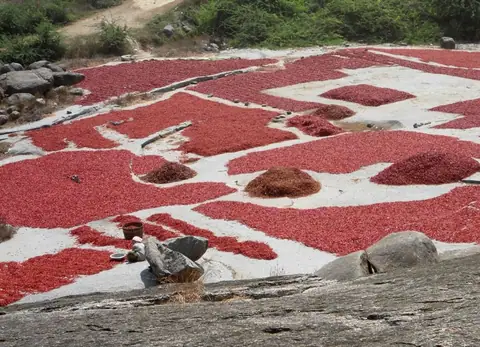 Fruits, vegetables & flowers